


When it comes to LinkedIn marketing for B2B business, the platform is a gold mine. With over 930 million users across more than 200 countries—and new members joining every three seconds—LinkedIn is filled with professionals who are actively engaging during work hours with business in mind. Despite its diverse and growing audience, LinkedIn’s advanced features and advertising tools make it easy to zero in on your ideal prospects and deliver content that resonates.
This guide explores everything LinkedIn has to offer, whether you’re just getting started or looking to take your current strategy to the next level. Wondering if LinkedIn marketing for a B2B business is really worth it? That’s exactly where we’ll begin.
Table of contents
What Are the Advantages of LinkedIn Marketing for B2B Businesses?
Like any social media platform, LinkedIn allows you to increase brand visibility, engage with your audience, build meaningful relationships, and promote your offerings. But what sets it apart from platforms like Facebook, Twitter, or Instagram is one key factor: professionalism.
Sure, not every LinkedIn user is as intense as Miranda Priestly, but the majority are serious professionals focused on their careers and industries. The conversations happening here are centred around business, not entertainment. Even the lighthearted posts tend to stay within a professional context.
When reviewing the average marketing budget spend by industry, it’s clear that B2B companies are allocating more resources toward platforms that deliver measurable results—and LinkedIn consistently ranks at the top for lead generation in the B2B space.
Every connection made on LinkedIn is a strategic step. For individuals, it’s a smart career move. For businesses, it’s an opportunity to establish partnerships and generate high-quality leads. Simply put, LinkedIn marketing for B2B businesses gives you direct access to your ideal audience in a focused, professional environment.
Ready to take advantage? Here’s how to make it work.
Steps to Position Your Company for Success on LinkedIn
Whether you’re new to LinkedIn or already have a presence, getting the fundamentals right is essential for success. If you’re wondering how to do B2B marketing on LinkedIn effectively, it all starts with a strong foundation. By following the right steps, you’ll set yourself up for better visibility, engagement, and lead generation. Think of it the same way you would analyze Google Ads industry benchmarks—understanding what works in your sector helps you optimize performance. On LinkedIn, the same principle applies: knowing the platform’s strengths and tailoring your strategy accordingly can lead to significantly better ROI.
Here’s how to approach LinkedIn B2B marketing the right way:
Create a Complete Company Page
When it comes to B2B marketing on LinkedIn, having a polished and professional company page is essential. For startups and new business owners, this is often the first step to building an online presence and generating interest. If your company doesn’t already have a page, now’s the time to create one. Fill out every section—including your business description, profile image, and banner. Use your logo and brand visuals that align with your website and other social media channels. A well-crafted page lays the groundwork for effective LinkedIn marketing for B2B businesses and helps establish credibility right from the start.
Define Your Audience & Goals
If you’re learning how to use LinkedIn for B2B marketing, it all starts with having a clear strategy. Just like any other marketing channel, LinkedIn requires you to identify your main objectives. Are you aiming to build brand awareness, generate leads, or strengthen your company’s PR efforts?
Once your goals are set, define your target audience and ideal customer persona. Knowing exactly who you want to reach will guide your content strategy, ad messaging, and calls to action—making your efforts on LinkedIn more focused and effective. And since algorithms influence digital marketing more than ever, tailoring your content to match audience interests will improve reach and engagement across the platform.
Optimize Your LinkedIn Business Page
Effective LinkedIn marketing for B2B business starts with an optimized company page. Just like you would optimize your website for search engines, your LinkedIn page should include keywords your target audience is likely to search for. Use relevant terms in your company description and specialties to improve visibility and attract the right viewers.

Source: foundationinc
But optimization doesn’t stop at keywords—promotion is just as important. For successful B2B marketing on LinkedIn, actively drive traffic to your page. Link to it from your website, share it across your social media platforms, include it in your email newsletters, and even add a call to action in relevant blog posts. A well-optimized and well-promoted page increases your chances of connecting with high-value prospects.
Add a Showcase Page
For larger organizations involved in LinkedIn marketing for B2B business, showcase pages are a powerful tool, especially if you manage multiple brands, product lines, or business units. These affiliated pages function similarly to your main company page but allow each division to highlight its unique messaging, tone, and audience focus.
Showcase pages let you tailor your content and branding without straying from your core business identity. Just remember: to get the most out of them, apply the same foundational steps—complete setup, clear goals, and proper optimization—as you would for your main page.
LinkedIn B2B Marketing Strategies & Best Practices
Having a complete and optimized company profile is only the beginning. To succeed with LinkedIn marketing for B2B business, you need a solid, well-executed strategy. In the evolution of digital marketing, platforms like LinkedIn have become essential for reaching decision-makers and building professional relationships. Let’s explore proven tactics that can help you get the most out of your LinkedIn B2B marketing efforts and turn visibility into real results.
Post Regularly and Consistently
Consistency is the foundation of successful LinkedIn engagement. Just like any other platform, staying active helps you remain top of mind with your audience. A great example is eWebinar CEO Melissa Kwan, who built a following of over 30,000 by simply posting valuable, authentic content consistently—some of which even went viral.
Whether you can post a few times a week or daily, find a rhythm and stick to it. To stay organized, consider scheduling your posts in advance. But remember: every post should serve a purpose. Ask yourself—does this educate, inform, inspire, or entertain? High-value, authentic content not only builds trust but also positions you as a thought leader in your industry.
And here’s another bonus: consistently delivering relevant content helps you get rid of spam leads by naturally attracting the right audience—people who are genuinely interested in what your business offers. If you’re short on ideas, consider curating relevant industry news or insights. LinkedIn even offers a built-in tool—Content Suggestions—on your company page to help you identify trending topics your audience is already engaging with.
Post Strategically
Research shows that the optimal time to post on LinkedIn falls within typical working hours, with Tuesday to Thursday, between 10 a.m. and 12 p.m., delivering the best results. For a successful B2B LinkedIn marketing strategy, timing is key. Sprout Social has created a helpful graphic that further pinpoints the most effective times to post on LinkedIn:

Source: foundationinc
This is logical—LinkedIn is a professional networking platform, so users are typically active during work hours, engaging in business-related activities. They’re less likely to be browsing their feed over the weekend, so it’s important to connect with them when they’re most active.
Just like crafting a Facebook ad strategy, your LinkedIn content strategy should be built around performance data and optimized for when your audience is most likely to engage. Test, analyze, and refine based on what works best for your target market.
Experiment With Media
When you begin with B2B marketing on LinkedIn, you might not immediately know which types of posts will engage your audience the most. That’s why it’s crucial to experiment with different styles and formats to see what resonates over time. Try out:
- Digital flipbooks
- Short posts
- Long posts
- Images
- Emojis
- Listicles
Not sure where to begin? These content formats tend to perform well across various industries:
Video Content
According to LinkedIn, video content on the platform receives 5 times more engagement than non-video posts, with live video generating 24 times more interaction. That’s a significant advantage! Video has been gaining traction across social media platforms for years, and its value for LinkedIn B2B marketing is well-established. However, it’s important to approach video content the right way. Keep your videos brief—research indicates that B2B buyers prefer videos under two minutes when making purchase decisions.
Native Articles
With LinkedIn marketing for B2B business, you can not only share links to your blog content but also take advantage of LinkedIn’s article feature, allowing your team members to blog directly from their personal profiles. To do this, simply click “Write an article” instead of “Start a post” on your personal feed. This will bring you to a publishing tool similar to Word’s simplified version.
Keep in mind, this feature is available only for personal profiles, so you’ll need to assign team members to write each article. However, you can still leverage this exposure from a company perspective. Ensure the author mentions your company in the update, which will:

- Allow you to reshare the post on your company page
- Make it easy for anyone who views the update to click through to your business page
- Enhance your brand authority through your team’s involvement

By using LinkedIn’s native article functionality, your content is likely to receive greater reach. While other factors play a role, platforms prefer content that stays within their ecosystem. As a result, articles hosted on LinkedIn are more likely to be shown to a larger audience than those linking out to external sites.
Build Relationships & Drive Engagement
At its core, LinkedIn marketing for B2B business is about building genuine relationships. While forming connections as a brand might seem challenging, it’s entirely possible—especially when you strategically align your company’s presence with the personal brands of your team. The strongest B2B LinkedIn marketing strategy often involves a balance between company updates and individual employee activity on the platform.
Unlike many social media advertising platforms that focus heavily on quick conversions, LinkedIn prioritizes relationship-building and professional engagement. This makes it ideal for B2B companies aiming to create long-term value and trust.
Leveraging tools like LinkedIn automation software or integrating your CRM can streamline your efforts, making it easier to connect with your audience and increase engagement. It’s also vital to recognize the powerful role employees play in amplifying your company’s presence. Every time a team member interacts on LinkedIn, they are also representing your brand—especially when their profile links them as an employee.
Encouraging team members to share insights and industry opinions helps build thought leadership, which not only boosts their credibility but also reflects positively on your organization. And when your brand spotlights those employees in return, it creates strong brand-person synergy that elevates both sides.
Showcase Your Team
Humanizing your brand is essential in LinkedIn marketing for B2B business. Share the faces behind your company—who your employees are, what they’re working on, and their expertise. High-quality headshots, team highlights, and behind-the-scenes posts help people connect with your business on a personal level.
Go further by resharing posts from employees when they mention your brand. This kind of content is incredibly effective across industries, as it highlights the people who set your brand apart.
Make Good Use of Hashtags
Hashtags play a supporting role in a strong B2B LinkedIn marketing strategy. They help categorize content, improve discoverability, and connect your posts with trending conversations. But moderation is key—stick to two or three relevant hashtags per post. When a hashtag you use begins to trend, LinkedIn is more likely to boost your post’s visibility, putting it in front of a larger, more targeted audience.
While LinkedIn hasn’t publicly disclosed the exact metrics it uses to determine when a post is “trending,” the impact is undeniable. Just take a look at the follower counts for some of the most popular marketing-related hashtags:
- #digitalmarketing – 27M+ followers
- #marketing – 19M+ followers
- #contentmarketing – 600K+ followers
- #b2bmarketing – 25K+ followers
That’s a massive audience actively engaging with content in your niche. If you’re looking to expand your reach and visibility through LinkedIn marketing for B2B business, tapping into relevant hashtags could be a smart, high-reward strategy. Why not try it and see the results for yourself?
Tag People & Other Businesses In Your Updates
This tactic is essential for relationship-building in LinkedIn B2B marketing, but moderation is key. When you share content from another company or individual, make sure to tag them. Tagging notifies the person or brand, encouraging them to engage with your post. It’s a smart way to foster connections and build rapport, relationships that could lead to future opportunities like collaborations or backlinks. Just be mindful not to overuse this tactic. Thoughtful mentions are effective; excessive tagging can come off as spammy and hurt your credibility.
Join & Engage In Groups
LinkedIn Groups offer a powerful channel for LinkedIn marketing for B2B business, helping you build meaningful relationships with professionals in your industry. These groups cover a wide range of interests, industries, and topics, making them ideal spaces to connect with like-minded individuals, ask questions, share insights, and engage in thoughtful discussions. While you can only join groups as an individual—not as a company—the conversations and feedback you gain can significantly shape your B2B marketing approach. If you build a connection through a group, you can take the conversation further via direct messages or use a LinkedIn email finder to connect off-platform. And don’t forget: establishing personal authority is just as important as growing your brand presence. You can even start your own group aligned with your business niche, offering another valuable path for engagement.
Leverage LinkedIn’s Advanced Targeting for B2B Success
When it comes to LinkedIn marketing for B2B business, one of the platform’s biggest strengths is its robust targeting capabilities. If you haven’t explored LinkedIn advertising yet, it’s worth noting that it offers over 20 audience attribute categories, including job title, company size, industry, location, and interests—making it ideal for reaching highly specific B2B audiences.
You can also choose from four unique ad formats to support your goals:
- Text Ads: Simple pay-per-click ads that appear on the right-hand side of the LinkedIn feed, typically featuring a short line of copy and a small image, often your logo.

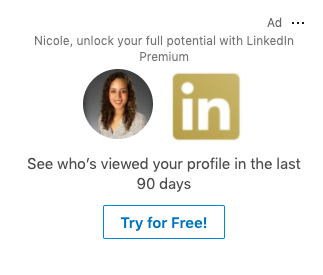
- Dynamic Ads: Also on the sidebar, these ads are personalized by including the viewer’s name and profile photo, which makes them highly attention-grabbing. They work well for growing followers, promoting gated content, or advertising products or services.
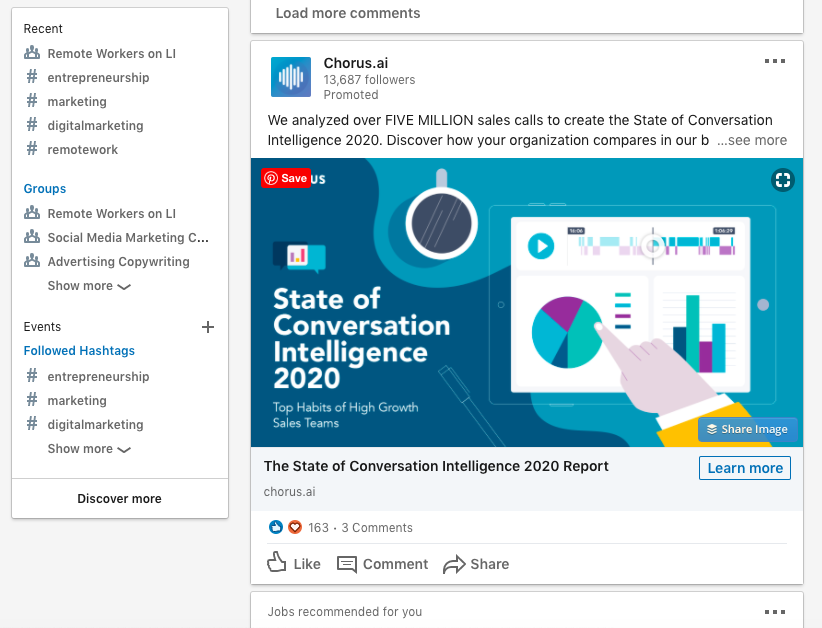
- Sponsored Content: These native ads show up directly in the feed and are marked “Promoted.” They can include images, carousels, or videos and are optimized for both desktop and mobile.
- Sponsored Messaging: Delivered straight to a user’s LinkedIn inbox, this ad type comes in either message or conversation format, helping you reach your audience in a more personal way.
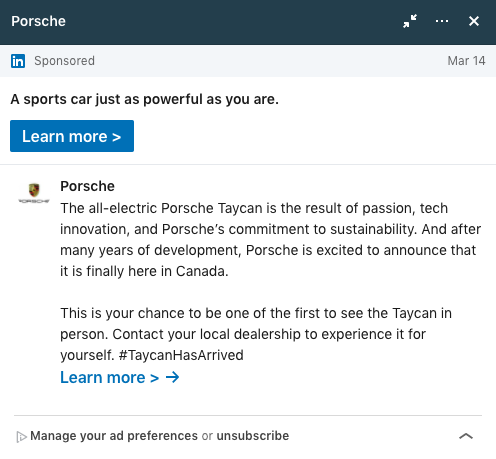
Each ad type serves different purposes, and while results may vary by campaign, understanding their strengths will help you build a smarter and more effective LinkedIn marketing for B2B business strategy.
Conclusion
LinkedIn is more than just a networking platform—it’s a strategic powerhouse for B2B marketing. With a professional audience, decision-maker access, and powerful tools at your fingertips, it offers unmatched potential for brand visibility, lead generation, and long-term growth. By building a strong foundation, staying consistent, and using the platform’s features wisely, your business can create meaningful connections and drive real results. Whether you’re just starting out or refining your strategy, LinkedIn is the place to be for B2B success.