


Spam leads are a significant challenge for businesses, often wasting time, resources, and money. Understanding how to get rid of spam leads is crucial for improving lead-generation efforts and ensuring more effective marketing campaigns. By identifying the source of spam and applying the right strategies, businesses can enhance lead quality and boost overall marketing performance. In this article, we’ll discuss how to eliminate spam leads from both organic traffic and Google Ads campaigns, covering solutions like Google reCAPTCHA, IP blocking, bot management, and conversion tracking. We’ll also explore best practices and how to measure the effectiveness of your spam prevention efforts.
Table of contents
- What Are Spam Leads?
- How to Get Rid of Organic Spam Leads
- Solutions for Spam Leads from Google Ads
- Advanced Spam Prevention Techniques
- Best Practices for Lead Generation
- Common Mistakes to Avoid When Preventing Spam Leads
- Benefits of Effective Spam Lead Prevention
- Monitoring and Reporting Spam Lead Prevention Success
- Final Thoughts
What Are Spam Leads?
Spam leads are unsolicited or irrelevant contacts that are generated through fraudulent means, often by bots, malicious users, or faulty lead generation systems. These leads typically do not have any genuine interest in your product or service. Instead, they clutter your sales pipeline, wasting valuable time and resources. Spam leads can come from multiple sources, such as automated bots filling out forms on your website or fake sign-ups from email marketing campaigns. In addition to wasting time, spam leads can increase marketing costs and reduce the quality of leads in your system. To combat spam effectively, it’s crucial to ensure your website design and development includes secure and optimized forms that can filter out spam leads. A well-built website with proper security measures can minimize vulnerabilities that allow spam bots to flood your lead generation system
How to Get Rid of Organic Spam Leads
When considering how to get rid of spam leads, it’s important to note that organic spam leads often stem from bots or vulnerable forms on your site. These automated submissions can clog your lead pipeline, so securing your forms is key to preventing unwanted spam entries. Implementing search engine optimization strategies can also contribute to reducing spam. Optimizing your website’s security and performance is an integral part of SEO. By ensuring your website is fast, mobile-friendly, and properly structured, you make it harder for bots to exploit any weaknesses, reducing the chances of spam leads.
To effectively combat this, here are some practical solutions to help eliminate spam from organic sources:
Google reCAPTCHA for Lead Generation Forms
One of the quickest and easiest ways to get rid of spam leads from organic search is by integrating Google reCAPTCHA on your lead generation forms. This free tool has been around for over a decade and uses advanced risk analysis techniques to distinguish humans from bots. By adding reCAPTCHA to your forms, you can significantly reduce spam submissions, ensuring that only legitimate leads are captured.
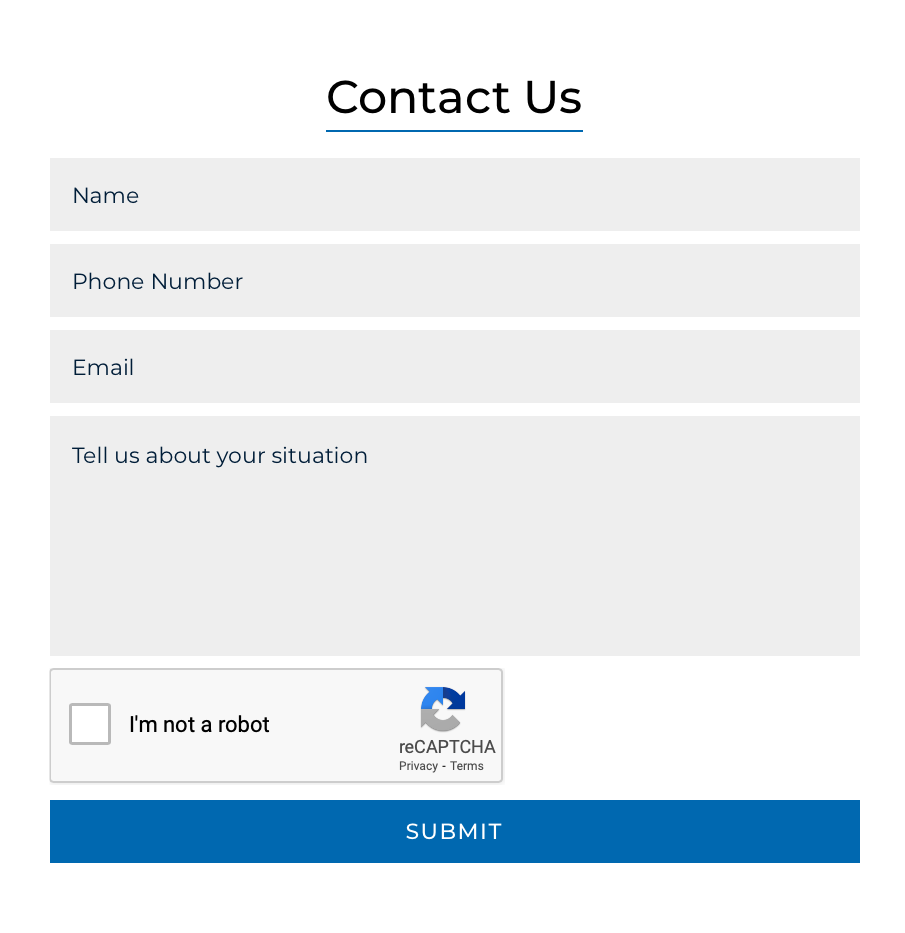
Additionally, integrating tools like Google reCAPTCHA into your SEO strategy not only helps eliminate spam but also boosts your site’s credibility. As search engines like Google prioritize user-friendly, spam-free websites, implementing reCAPTCHA can help improve your website’s search engine rankings over time.
Use of Honeypots
Another way to reduce spam leads is by using honeypots. Honeypots are hidden fields in your forms that only bots can fill out. By including this hidden trap, you can easily identify and filter out spam leads. This technique works well in conjunction with reCAPTCHA to further prevent unwanted submissions.
Solutions for Spam Leads from Google Ads
When tackling how to get rid of spam leads in your Google Ads campaigns, it’s essential to focus on preventing irrelevant or fraudulent clicks. These spammy leads not only waste your ad budget but can also skew your conversion data. Implementing the right tools and strategies ensures your ads are seen by the right audience, improving both ad performance and lead quality. Comparing your campaign performance against Google Ads Industry Benchmarks can also help identify unusually low-quality leads or conversion patterns that may indicate spam activity.
Here are two effective ways to reduce spam leads from your Google Ads campaigns:
Solution 1: Block Spam IP Addresses in Google Ads
If you notice spam leads coming through your Google Ads campaigns, blocking specific IP addresses is an effective solution. Here’s how you can do it:
- Sign in to your Google Ads account.
- In the page menu on the left, click Settings.
- Select the campaign you’d like to exclude IP addresses from.
- Click to expand the “IP exclusions” section. (Click Additional Settings if you can’t see the “IP exclusions” section.)
- Enter the IP addresses you want to exclude from seeing your ads.
- Click Save.
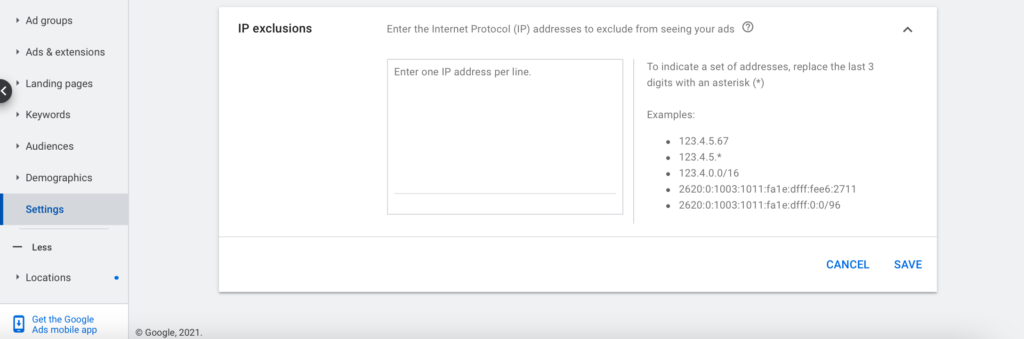
This proactive approach not only aids in reducing Google ads spam leads but also enhances the overall performance of your PPC management campaigns by ensuring that your ads are seen by your intended audience, thereby improving the quality of your leads and maximizing your advertising spend efficiency.
Solution 2: Enable Conversion Tracking in Google Ads
Another way to combat spam leads from your Google Ads campaigns is by enabling conversion tracking. By properly tracking your conversions, you can optimize your ad targeting to reach the right audience and reduce spammy clicks. Proper tracking also helps identify which ads are bringing in genuine leads, allowing you to focus on what works best for your business.
Advanced Spam Prevention Techniques
As you focus on how to get rid of spam leads, it’s important to consider more advanced techniques. These solutions offer an additional layer of protection, helping to reduce spam from all potential sources and improve your overall lead generation strategy.
Here are some effective methods to elevate your spam prevention:
Bot Management Tools
To take your spam prevention to the next level, consider using bot management tools like Cloudflare or DataDome. These tools help prevent bots from submitting spam leads to your forms. With these tools in place, your website will only allow genuine human visitors to interact with your lead-gen forms, reducing the likelihood of bot-generated spam leads.
Analyzing Your Traffic Sources and User Behavior
Regularly monitoring your traffic sources can help you detect and filter out spam leads before they enter your system. Tools like Google Analytics or SEMrush allow you to track unusual spikes in traffic or suspicious activity. By analyzing this data, you can adjust your marketing strategies to avoid attracting spammy leads in the future.
By tracking user behavior and ensuring your traffic sources align with your target audience, you can minimize the risk of spam entering your lead funnel.
Best Practices for Lead Generation
Aside from focusing on how to get rid of spam leads, adopting best practices for lead generation can help ensure that your efforts are more effective and sustainable in the long run.
Optimizing Forms for Quality Leads
Make sure your lead generation forms are optimized to capture quality leads. Limit the number of required fields to reduce friction for genuine users, and consider adding custom questions that help qualify leads early in the process.
Implement Double Opt-in for Email Subscriptions
Implementing a double opt-in process for email subscriptions ensures that leads are genuinely interested. This method reduces spam sign-ups and improves email list quality by confirming that users have voluntarily subscribed to receive communication from your business.
Common Mistakes to Avoid When Preventing Spam Leads
Even with the best strategies in place, businesses sometimes make mistakes that allow spam leads to slip through. Here are some common pitfalls to avoid:
Ignoring Regular Maintenance of Spam Prevention Tools
One mistake businesses often make is neglecting to update and maintain spam prevention tools. Regularly checking that tools like Google reCAPTCHA, IP blocking, and bot management solutions are working as expected is essential for keeping spam at bay.
Overlooking Data from Analytics
Ignoring the data from your analytics tools can be costly. Always monitor your website and ad traffic for patterns that indicate potential spam activity. Early detection is crucial in stopping spam leads from affecting your business operations.
Benefits of Effective Spam Lead Prevention
Knowing how to get rid of spam leads not only saves you money but also enhances the effectiveness of your marketing strategies. Here are some key benefits of implementing spam prevention measures:
Better Lead Quality
By blocking spam leads, you ensure that only qualified, high-quality leads are entering your sales pipeline. This results in higher conversion rates and more efficient use of your resources.
Cost Efficiency
Fewer spam leads mean that your marketing spend goes toward reaching genuine prospects rather than wasting budget on irrelevant clicks or submissions. This boosts your return on investment (ROI) and helps you allocate resources more effectively.
Improved User Experience
A spam-free experience improves the usability and trustworthiness of your website. Genuine users are more likely to engage with a website that isn’t cluttered with spammy forms or irrelevant content.
Monitoring and Reporting Spam Lead Prevention Success
It’s crucial to measure the effectiveness of your spam prevention efforts to ensure continuous improvement. By tracking key metrics, you can assess how well your strategies are working and make adjustments as needed.
Once you’ve implemented strategies to get rid of spam leads, it’s important to track their effectiveness. Key performance indicators (KPIs) such as lead conversion rate, bounce rate, and session duration can help you assess whether your spam prevention methods are working. Regularly monitoring these metrics allows you to fine-tune your strategies and ensure ongoing success.
Final Thoughts
Knowing how to get rid of spam leads is essential for businesses looking to improve the quality of their lead generation. By using tools like Google reCAPTCHA, blocking spammy IP addresses, and leveraging bot management systems, you can significantly reduce the number of spam leads entering your pipeline. Additionally, incorporating proper conversion tracking and using automated systems will help ensure that your resources are spent on genuine prospects.
By proactively implementing these strategies, you can enhance lead quality, optimize marketing efforts, and maximize your ROI. If you’re serious about reducing spam leads and improving your marketing efforts, it’s time to take action with these effective spam prevention techniques.
If you are having trouble figuring out where your spam leads are coming from. Contact us for a free consultation.