

Instagram and TikTok share many similar features—short-form videos, live streams, and personalized algorithms, to name a few.
When deciding where to post, these similarities can make the choice between platforms challenging. However, you don’t have to limit yourself to just one. In the debate of TikTok vs Instagram, each platform has unique strengths that suit different purposes and content types.
Here’s a complete guide to the pros and cons of TikTok vs Instagram to help you decide which platform is best for your needs.
Table of contents
Key Differences Between TikTok and Instagram
TikTok vs Instagram reveals many similarities, but also key differences—from user demographics to content types and algorithms. Both platforms offer opportunities to make money and build brand awareness when you implement a well-crafted strategy.
Audience
The most significant difference in the TikTok vs Instagram comparison lies in their demographics. Both platforms attract younger audiences, but Instagram has a stronger presence of Gen Z, while TikTok primarily draws in Gen X. Understanding your target audience is key to shaping your digital marketing strategy for your business
Beyond age groups, factors like gender and availability also matter. According to Datareportal, TikTok’s global audience is 54% female and 46% male, while Instagram has a more balanced split with 48% female and 52% male users.
Instagram is accessible in 170 countries, whereas TikTok is available in 150. Statista reports India has the largest Instagram user base at 229 million, followed by the US with 143 million users. For TikTok, the US leads with 113 million users, closely followed by Indonesia with 110 million.
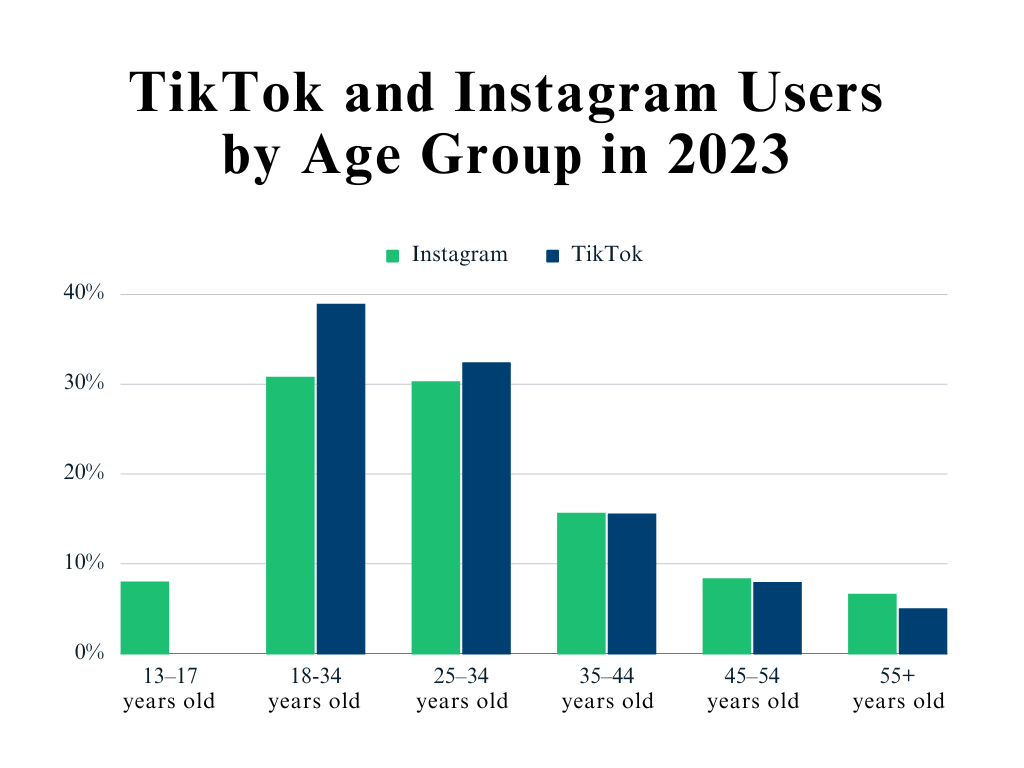
Source:fiverr
To maximize your efforts, focus on where your audience is most active. Both platforms are key players in social media marketing services, and it’s crucial to know where your audience is most active. If your target market is the younger generation, TikTok is a worthwhile investment. For slightly older or more mature audiences, Instagram may be a better fit.
Type of Content
Instagram and TikTok serve distinct purposes for their users. While Instagram introduced Reels to compete with TikTok, it doesn’t mean Instagram’s audience will suddenly prefer Reels over TikTok’s offerings.
For your conversion rate optimization strategy, content on Instagram tends to be polished and high-quality, while TikTok thrives on authentic, unfiltered videos. Both platforms offer robust advertising opportunities through ads, and Instagram, in particular, excels in SEO service integration with its shopping features.
If you are running an online Asian grocery store, Instagram’s seamless product tagging system can significantly boost product visibility, while TikTok’s viral nature may help spread your brand message quickly.
If you’re considering uploading the same content to both platforms, think twice. Social media users have different expectations for each. Instagram content tends to be polished and high-quality, whereas TikTok thrives on authentic, unfiltered videos. Successful TikTok content often leverages trending sounds, duets, or stitches, setting it apart from Instagram’s approach.
The formats also differ significantly. TikTok focuses exclusively on short video content with built-in editing tools and effects. In contrast, Instagram offers a broader range of features, including relatively long-form videos, but lacks TikTok’s robust editing options, often requiring third-party apps for content preparation.
For example, Glossier’s Instagram page is well-curated, maintaining a cohesive aesthetic and frequently sharing user-generated content to boost community engagement.
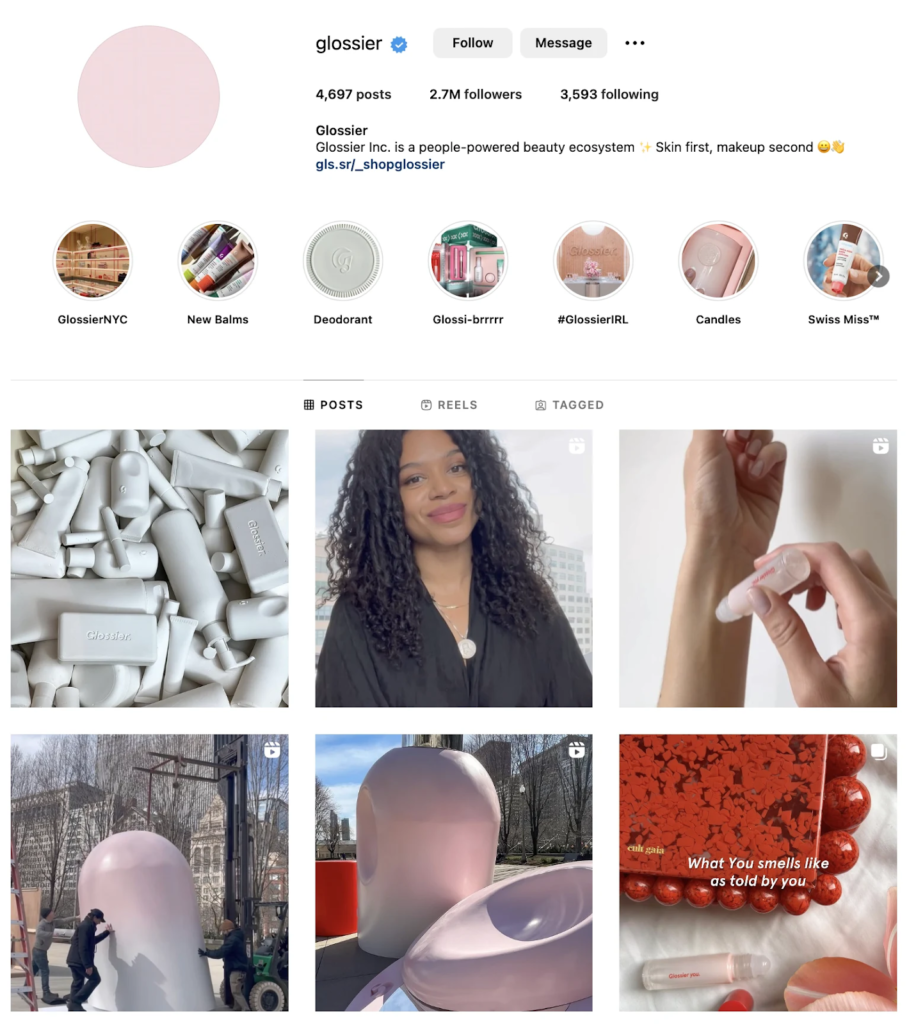
ualities of a Great Instagram Page:
- Eye-catching, emotionally engaging product posts
- A mix of company and user-generated content
- Consistent branding or aesthetics across posts
- Lifestyle-focused content.
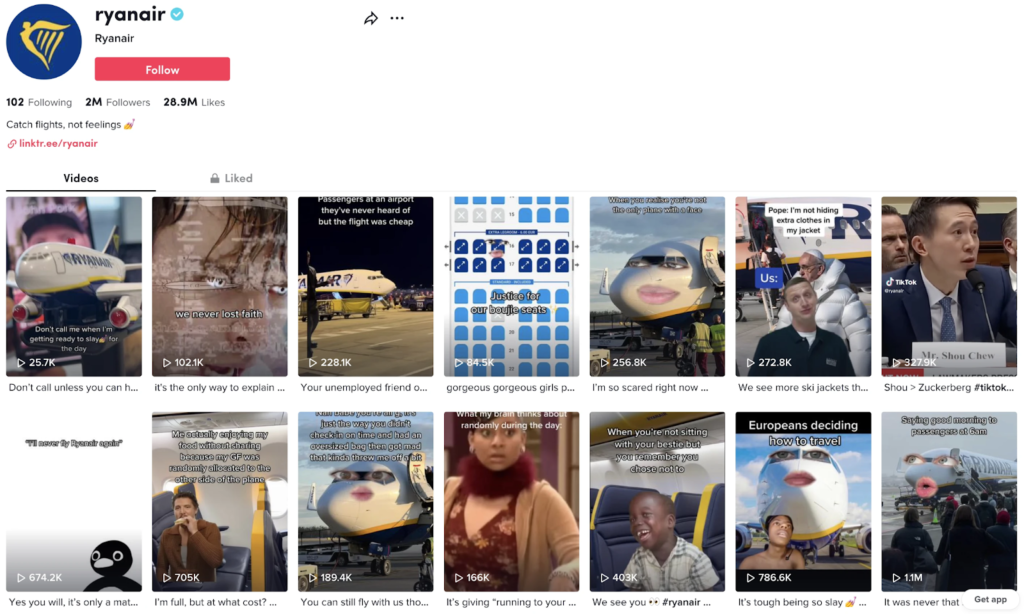
Qualities of a Great TikTok Page
- Humorous and relatable content
- Behind-the-scenes footage
- Educational videos
- Content leveraging trends, duets, or stitches
Ryanair, a European airline known for budget-friendly flights, exemplifies TikTok’s quirky and humorous potential. Their page features trend-driven, relatable videos that resonate with their audience, paired with a playful and engaging bio.
User Interface and Navigation
In the TikTok vs Instagram debate, their interfaces highlight key differences. TikTok prioritizes full-screen vertical videos with intuitive swipe navigation, creating an immersive experience. In contrast, Instagram uses a grid-style layout for the main feed and separate tabs for features like Stories and Reels. Additionally, Instagram offers a more integrated shopping experience with product tags and dedicated stores.
Marketing and Advertising
In the TikTok vs Instagram comparison, both platforms offer distinct advertising opportunities. TikTok features unique ad formats like In-Feed Ads and Branded Hashtag Challenges, while Instagram leans towards traditional options such as photo ads, story ads, and shopping features. Influencer marketing thrives on TikTok, especially with micro-influencers and authentic, relatable content. TikTok’s engagement-driven digital marketing trends make it a great choice for viral campaigns.
Algorithm and Feeds
In the TikTok vs Instagram comparison, both platforms offer ways to discover content from accounts you don’t follow, but TikTok’s feature is far more engaging. The ‘For You Page’ on TikTok serves a similar purpose to Instagram’s ‘Explore’ tab.
TikTok’s algorithm feels almost psychic, offering content that seems perfectly tailored to your interests—or even reveals things you didn’t realize you liked. The For You Page is a vertically scrolling feed that encourages endless discovery. Instagram’s Explore Page, by contrast, is less interactive but still offers plenty of engagement potential for businesses leveraging SEO and PPC services.
The For You Page’s popularity is both a blessing and a curse. TikTok thrives on trends, offering brands a chance to go viral. However, appearing on the For You Page doesn’t guarantee an influx of followers, as many users skip the ‘Following’ tab. On Instagram, the main feed primarily showcases content from accounts you follow, fostering more engagement with familiar creators.
Below, you’ll see how the interfaces differ when landing on TikTok’s For You Page versus Instagram’s Explore Page.

On Instagram, leveraging well-planned content can increase visibility and engagement, especially through Instagram Story Highlights for your brand.
TikTok Versus Instagram Users
Although it may seem that TikTok primarily appeals to younger audiences, the user bases of TikTok and Instagram are quite similar.
The majority of TikTok users are in the 18–24 age range, followed by those aged 25–34, with research not accounting for users under 18. Instagram’s demographics are nearly identical, with most users falling into the 18–24 and 25–34 categories. Instagram’s data also includes a small percentage of users aged 13–17.
The key difference is that TikTok’s 18–24 age group is slightly larger than the 25–34 group, while on Instagram, these two groups are more evenly balanced. In comparison, you could say that Instagram has a slightly older user base, but the difference is minimal.
Style and Formats of Content
Whether you’re a creator or simply looking to share content with friends, TikTok vs IG offers various ways to post. While TikTok began with short-form videos and Instagram with images, both platforms have since expanded to include Lives, Stories, and both photo and video content.
However, there are still notable differences. Here’s how TikTok vs IG compares in terms of content styles and formats:
Reels Versus TikTok
Instagram Reels vs TikTok videos are the most similar features on each platform, allowing users to create, share, and discover short-form videos ranging from 15 seconds to a few minutes.
Here are a few key similarities:
- Visibility — Both Reels and TikTok videos have comparable visibility features. Instagram Reels appear in both your followers’ feeds and the Reels feed, where they can be easily discovered by non-followers. On TikTok, videos are shown in two tabs: the FYP (For You Page) and the ‘Following’ feed, which displays recommended content and videos from those you follow, respectively.
- Editing tools — Both Instagram and TikTok offer in-app editing tools for video creation. Reels provide basic editing features like trim, cut, text, and filters. TikTok offers slightly more advanced editing options, such as transitions and special effects, though it still doesn’t provide everything needed for more complex videos.
For more intricate editing, using a third-party app is the best option. Try Captions, an AI-powered editing tool that, in addition to trimming and splicing, allows you to add custom captions—helping set your content apart and increasing visibility on both TikTok vs Instagram.
However, when considering marketing budgets, it’s important to note that “The Average Marketing Budget Spend by Industry” can vary depending on the platform. TikTok’s organic reach and viral nature may lead brands to allocate more of their marketing spend here to take advantage of its cost-effectiveness, particularly for reaching younger, trend-driven demographics.
TikTok Stories Versus Instagram Stories
In the TikTok vs Instagram comparison, Instagram launched Stories in 2016—vertical posts that disappear after 24 hours. They appear around your profile picture and at the top of your followers’ home pages, making them perfect for sharing real-time highlights and behind-the-scenes content without the pressure of permanent feed posts.
TikTok followed suit and introduced its own Stories feature in 2022. While not as widely popular as Instagram Stories, TikTok Stories serve a similar purpose by allowing creators to connect with their audience in a more personal, spontaneous way. TikTok Stories appear around your profile picture and on the FYP.
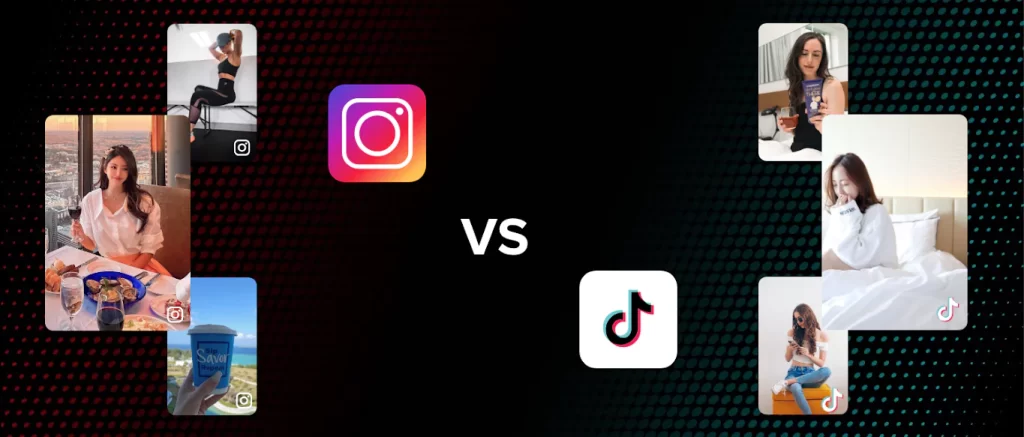
The key difference lies in engagement: TikTok Stories allow public comments, shared views, and interactions, while Instagram Stories keep engagement details private to the creator. TikTok’s more transparent approach fosters a more interactive community, but it can also create pressure since anyone can view the comments and likes.
For brands concerned about security and privacy, “What to Do If Your Site Is Hacked” could also be a key consideration when handling personal or business accounts on these platforms. Implementing strong cybersecurity measures is essential to protect your brand from potential breaches when engaging on platforms like TikTok and Instagram.
TikTok Live Versus Instagram Liv
TikTok Live vs Instagram Live both allow creators to share real-time content with their followers, but they differ in certain functions and restrictions.
TikTok Live provides a simple live streaming experience, complete with features like chat and virtual gifts. It’s ideal for informal connections with your audience, but there are some requirements. Depending on your location, you must be 18 or older and have at least 1,000 followers to go live.
Instagram Live offers more advanced features, such as collaborations, fundraisers, and the ability to save videos. This added versatility makes Instagram Live a better option for frequent live streaming, fostering greater audience engagement and providing a smoother experience for both creators and viewers. Additionally, Instagram has no follower or age restrictions for going live.
Which App Is Better for Influencer Marketing and Selling?
The decision between TikTok vs Instagram for influencer marketing and selling depends on your objectives. If you’re aiming to reach a younger audience, TikTok may be the better option. However, both platforms offer features that simplify marketing and selling, making them ideal for creators of all sizes.
TikTok for Marketing and Selling
TikTok’s video-centric platform and high engagement levels make it an excellent choice for promoting products. It’s easier to go viral and reach a wider audience here than on Instagram, especially if you tap into trending content. By aligning your videos with popular trends, TikTok is more likely to share your content with a broader audience, which is ideal for marketing.
TikTok’s audience tends to be younger, particularly Gen Z teens and young adults. If your target audience matches this demographic, selling on TikTok could prove more effective than on Instagram.
Additionally, TikTok features a Shop option that allows users to purchase items directly within the app. Products can be found and bought in four areas: in-feed videos, live streams, profile showcases, and the shopping tab on users’ homepages, offering more opportunities for purchases.
Instagram for Marketing and Selling
Instagram is a highly competitive platform for e-commerce, having been around longer and offering more selling features, such as shoppable Instagram ads, in-post product tags, and Reels product tags.
Instagram also includes a Creator Marketplace, which makes it easier for influencers and brands to connect. For creators seeking sponsorships, Instagram may be the better choice. You can also leverage in-feed posts, Stories, and Reels for sponsored content, giving you more options than just TikTok videos.
However, the downside is that the sheer volume of e-commerce activity on Instagram makes it challenging to stand out as an influencer. To successfully market a product, you must focus on creating high-quality content that entertains, informs, or educates the audience, helping them connect with your message rather than just feeling like you’re promoting a product.
How to Choose the Right Platform for Your Brand
Choosing the right platform for your brand involves several important factors. Here are the key considerations when comparing TikTok vs Instagram:
Understanding Platform Demographics
Each platform attracts a different user base with unique behaviours. TikTok users typically seek entertaining content and quick consumption, while Instagram’s audience values visually appealing, lifestyle-driven content. The choice between TikTok vs Instagram largely depends on where your target audience spends their time. Many users engage with both platforms, but their patterns of interaction differ significantly.
Content Format Considerations
Instagram emphasizes high-quality content through polished photos and curated feeds. It excels in behind-the-scenes footage and offers a seamless shopping experience. The platform offers flexibility for brands through various ad formats and Instagram ads, with content discovery primarily happening via browsing pages and hashtags.

TikTok, on the other hand, focuses on short videos and user-generated content. Its audio features and creative tools enable brands to create unique, authentic content. Unlike Instagram, where polished ads prevail, TikTok’s algorithm prioritizes content based on engagement rather than follower count, making it ideal for reaching broader audiences through entertainment.
Influencer Strategy Impact
Instagram influencers build strong, lasting relationships with their audience through consistent visual storytelling. The influencer culture on Instagram centers around lifestyle and aspirational content, and Instagram’s algorithm rewards users who maintain steady engagement and large followings.
TikTok influencer marketing, however, thrives on creativity and trends. TikTok encourages influencers to use the platform’s features for viral potential, focusing on authentic and entertaining content rather than polished ads. Influencer campaigns often revolve around challenge-based content and interactive videos.
Growth and Reach Potential
Instagram offers steady growth through strategic content planning and a broad audience reach. Its mature advertising system enables brands to target specific demographics effectively. Regular posting and high-quality visuals help drive sustained growth.
In the TikTok vs Instagram comparison, TikTok offers more rapid growth potential. The viral nature of the platform allows for quick exposure to new audiences, with content gaining traction regardless of follower count. TikTok’s algorithm helps even smaller accounts reach significant viewership, making it a great platform for fast brand awareness.
Conclusion
Both TikTok and Instagram offer distinct advantages depending on your goals, audience, and content style. TikTok thrives on viral, creative, and authentic content, making it ideal for reaching younger, trend-driven audiences and quickly gaining exposure. Its algorithm favours engagement, enabling even smaller accounts to reach large audiences. On the other hand, Instagram remains a powerhouse for polished, visually appealing content, offering versatile features like Stories, Reels, and shopping integrations. It’s a great platform for building a consistent brand image and engaging with a slightly older, more lifestyle-focused demographic.
Ultimately, the choice between TikTok and Instagram depends on your marketing objectives. If you aim for rapid viral growth and a younger audience, TikTok may be the better fit. However, if you’re looking to maintain a cohesive brand aesthetic and tap into e-commerce opportunities, Instagram could be the stronger platform. Many successful brands use both platforms in tandem, leveraging each one’s strengths to build a robust and multifaceted online presence. Our AI Guide includes AI-powered prompts and actionable SMM and SEO strategies, which will help you refine your approach and maximize results.