

Deciding between programmatic advertising vs Google Ads can significantly influence the success of your digital marketing campaigns. Both platforms play an important role in your business, offering automated ad placements but with distinct differences in reach, pricing models, targeting options, and strategic application.
Understanding these variations is crucial for crafting an effective advertising strategy—whether you aim for broad exposure across multiple networks or precise targeting within Google’s ecosystem. This guide explores the unique features, benefits, and actionable strategies of both platforms to help you make the right choice for your goals.
Table of contents
Key Differences Between Programmatic Advertising and Google Ads
Although programmatic advertising vs Google Ads both emphasize automation, they differ in crucial ways that can influence your choice depending on your campaign’s goals and budget. Here’s a breakdown of the key distinctions:
Ad Inventory Scope
Programmatic advertising provides access to extensive ad inventory across platforms, websites, apps, and connected TV (CTV) through ad exchanges and supply-side platforms (SSPs). In contrast, Google Ads is primarily limited to Google’s ecosystem, including Google Search, YouTube, and the Google Display Network (GDN), restricting its reach to Google-owned or partnered properties.
Buying Process
Programmatic advertising uses real-time bidding (RTB) and automated auctions to acquire ad inventory from multiple exchanges, allowing for flexible budget and bid optimization. On the other hand, Google Ads relies on pay-per-click (PPC) or cost-per-thousand-impressions (CPM) models, focusing on specific ad placements within Google’s platforms.
Audience Targeting
While both offer robust targeting options, programmatic advertising shines with advanced segmentation using first-party, second-party, and third-party data, enabling precise behavioural targeting across various platforms. Google Ads also provides strong targeting but is limited to data collected within Google services, such as search, YouTube, and Gmail activity.
Ad Formats
Google Ads supports diverse ad formats, including text, display, video, and shopping ads, all optimized for its ecosystem. In comparison, programmatic advertising offers a broader range of formats, such as native ads, rich media, and interactive ads, suitable for multi-channel campaigns.
Automation and Optimization
Programmatic advertising is heavily automated, using RTB and AI-driven optimization to adjust bids, placements, and targeting in real-time. Google Ads also includes automation features like smart campaigns and machine learning-based recommendations but is generally more focused on hands-on, campaign-specific management.
Ad Network Reach
Programmatic advertising connects to multiple ad exchanges and networks, enabling advertisers to reach audiences across a wide array of global platforms, websites, and apps. Google Ads, however, is confined to its ecosystem, offering a more controlled but narrower ad network reach.
Understanding these differences is essential for choosing the right platform to align with your business goals, whether you prioritize broad, multi-channel reach or a focused approach within Google’s network.
| Aspect | Programmatic Advertising | Google Ads |
| Ad Inventory Scope | Access to ad inventory across multiple platforms, websites, apps, and connected TV through ad exchanges and SSPs. | Limited to Google-owned properties such as Google Search, YouTube, and Google Display Network (GDN). |
| Buying Process | Real-time bidding (RTB) and automated auctions across multiple exchanges. | Pay-per-click (PPC) or cost-per-thousand-impressions (CPM) bidding within Google’s ecosystem. |
| Audience Targeting | Advanced audience targeting using first-party, second-party, and third-party data across various platforms. | Targeting based on Google’s own data sources like search behavior, YouTube, and Gmail activity. |
| Ad Formats | Supports various formats, including display, video, native, interactive, and rich media ads across multiple platforms. | Text, display, video, shopping, and app ads focused on the Google ecosystem. |
| Automation and Optimization | Highly automated with real-time bidding and AI-driven optimization across multiple sources. | Automation features like smart campaigns and automated bidding, but generally more campaign-specific. |
| Ad Network Reach | Global reach through multiple ad exchanges and networks across various platforms and devices. | Confined to Google’s network, including Google Search, YouTube, and its display network. |
| Best for | Advertisers looking for large-scale, cross-platform reach and advanced targeting. | Advertisers focused on Google Search, YouTube, or Google’s partner network. |
Key Strengths of Programmatic Advertising vs Google Ads
When comparing programmatic advertising vs Google Ads, each platform brings unique strengths tailored to different advertising needs. Understanding these strengths is crucial for selecting the platform that best fits your campaign goals and strategies.
Programmatic Advertising
In addition to its extensive ad inventory and advanced targeting capabilities, programmatic advertising offers several distinct advantages:
- Full Funnel Marketing: Programmatic advertising supports comprehensive funnel marketing, enabling advertisers to engage with users at every stage of the customer journey—from awareness to conversion and retention. This platform allows for seamless management of both brand-building campaigns (upper funnel) and direct response campaigns (lower funnel) across multiple channels. This unified approach ensures consistent messaging and precise targeting as users progress through their buying journey, contributing significantly to conversion rate optimization.
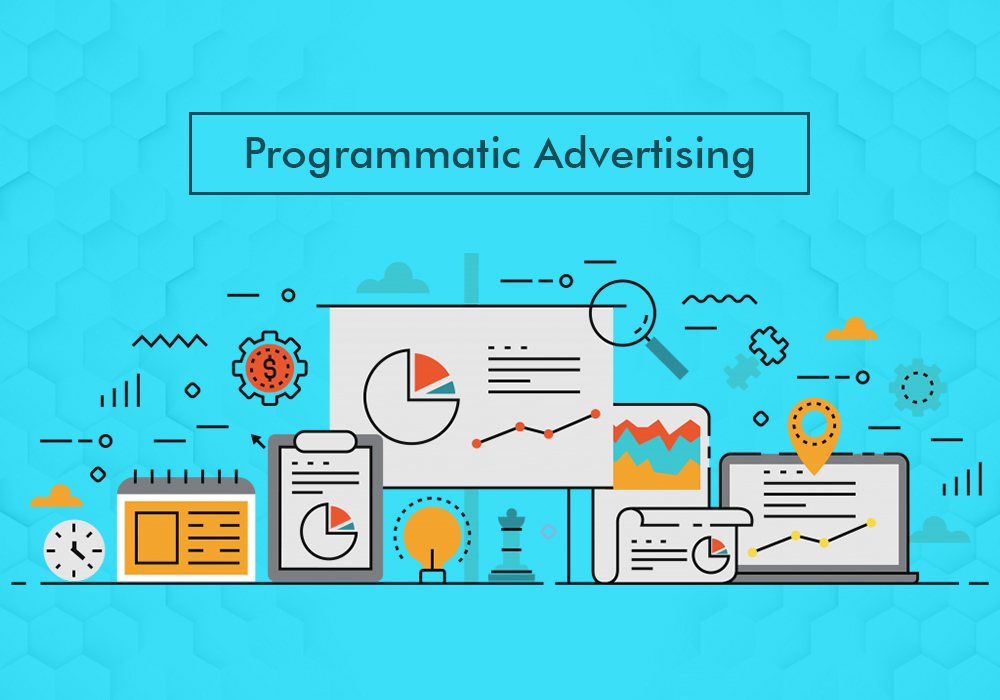
- Cross-Device Targeting and Attribution: One of the standout features of programmatic advertising is its ability to track users across a wide range of devices—desktops, mobile, tablets, and connected TV (CTV). This enables advertisers to maintain consistent messaging and brand visibility across various platforms. With cross-device tracking, marketers can create a comprehensive view of the customer journey and ensure accurate attribution of conversions and engagements to the right touchpoints, providing deeper insights into campaign performance.
- Real-Time Optimization: Programmatic advertising offers automated real-time optimization, enabling continuous adjustments to campaigns based on performance data. This ensures that ads are delivered efficiently, maximizing ROI while minimizing the need for manual intervention. This real-time approach aligns well with evolving digital marketing trends.
Google Ads
Alongside its robust targeting options and ad formats, Google Ads excels in the following areas:
- User-Friendly Interface: Google Ads is known for its intuitive and easy-to-navigate interface, making it an accessible platform for advertisers of all skill levels. This simplicity is beneficial for both beginners and experienced marketers, offering a versatile solution for a wide range of users.
- Budget Flexibility: Google Ads provides significant flexibility in managing budgets, allowing advertisers to scale campaigns from small budgets to larger efforts. With various pricing models, such as cost-per-click (CPC) and cost-per-thousand-impressions (CPM), advertisers can adapt their campaigns to fit their financial objectives.
- Seamless Integration: A key strength of Google Ads lies in its seamless integration with other Google services, such as Google Analytics, YouTube, and the Google Display Network. This interconnected ecosystem allows for efficient campaign management, performance tracking, and data analysis across multiple platforms, creating a unified and streamlined advertising experience.
Choosing the Right Strategy: Programmatic Advertising vs Google Ads
The decision to choose programmatic advertising vs Google Ads depends on several factors, such as campaign objectives, target audience, and budget. Understanding the strengths of each platform enables advertisers to make informed decisions that align with their specific goals.
When to Use Programmatic Advertising
Programmatic advertising is ideal for large-scale campaigns that require extensive reach and advanced targeting across multiple platforms. It works particularly well in the following scenarios:
- Broad Reach is Needed: If a campaign aims to target a wide and diverse audience across various websites, apps, and platforms, programmatic advertising offers an expansive network to achieve this.
- Advanced Targeting is a Priority: When campaigns require sophisticated targeting beyond basic demographics, programmatic advertising excels with detailed audience segmentation, considering behaviour, context, and location.
- Automation and Optimization are Key: For campaigns that demand continuous optimization in real-time, programmatic advertising provides automated tools to adjust bids, targeting, and placements based on live performance data, ensuring greater efficiency and effectiveness. This approach highlights the benefits of programmatic advertising, especially when it comes to optimizing campaign performance across diverse channels.
When to Use Google Ads
Google Ads is an excellent choice for campaigns with specific targeting within the Google ecosystem or those with smaller budgets. It is especially beneficial in these cases:
- Simplicity is Essential: For advertisers seeking a user-friendly, straightforward platform, Google Ads offers an intuitive interface that simplifies campaign setup and monitoring.
- Budget Flexibility is Required: Google Ads accommodates a variety of budget sizes, making it suitable for both small businesses and large enterprises. Its flexible pricing models, such as CPC and CPM, allow advertisers to scale campaigns according to available resources.
- Integration with Google Services is Valuable: Google Ads works seamlessly with other Google products like Google Analytics and YouTube. This integration is especially valuable for those already using Google’s tools for tracking, analytics, and overall campaign management.
Integrating Both Advertising Strategies: Programmatic Advertising vs Google Ads
In many instances, leveraging both programmatic advertising vs Google Ads can deliver the most effective results.
Programmatic advertising enhances reach and enables advanced targeting across a wide range of platforms, while Google Ads targets high-intent traffic within Google’s ecosystem. By integrating both strategies, campaigns can optimize their impact, reaching audiences on a broad scale while also targeting them with precision across the digital landscape.
Conclusion
Choosing between programmatic advertising vs Google Ads depends on your campaign goals, audience, and budget. Programmatic advertising is ideal for large-scale, multi-platform reach and advanced targeting, while Google Ads offers simplicity, budget flexibility, and integration with Google’s ecosystem. Understanding the strengths of each platform allows you to make an informed decision. For optimal results, integrating both strategies can combine broad reach with precise targeting, enhancing campaign effectiveness across the digital landscape.