


In today’s digital landscape, where customers are constantly overwhelmed with information, the importance of multi-channel marketing cannot be overstated. Relying on just one marketing channel is no longer enough for businesses seeking long-term growth. To truly differentiate themselves, engage a wide range of audiences, and generate impactful results, adopting a multi-channel marketing strategy is crucial. By reaching customers through various platforms and touchpoints, businesses can expand their reach and build more cohesive and effective campaigns. If businesses do not implement multi-channel marketing, they risk missing out on potential customers and limiting their overall marketing success.
Understanding Multi-Channel Marketing
What is Multi-Channel Marketing? It is a sophisticated, strategic method that employs various communication channels to connect with a company’s target audience, including both traditional and digital platforms. The importance of multi-channel marketing lies in its ability to deliver a seamless and consistent experience for customers, regardless of the channel they use to engage with the brand. By meeting customers where they are, this strategy boosts brand visibility, broadens customer reach, and enhances engagement.
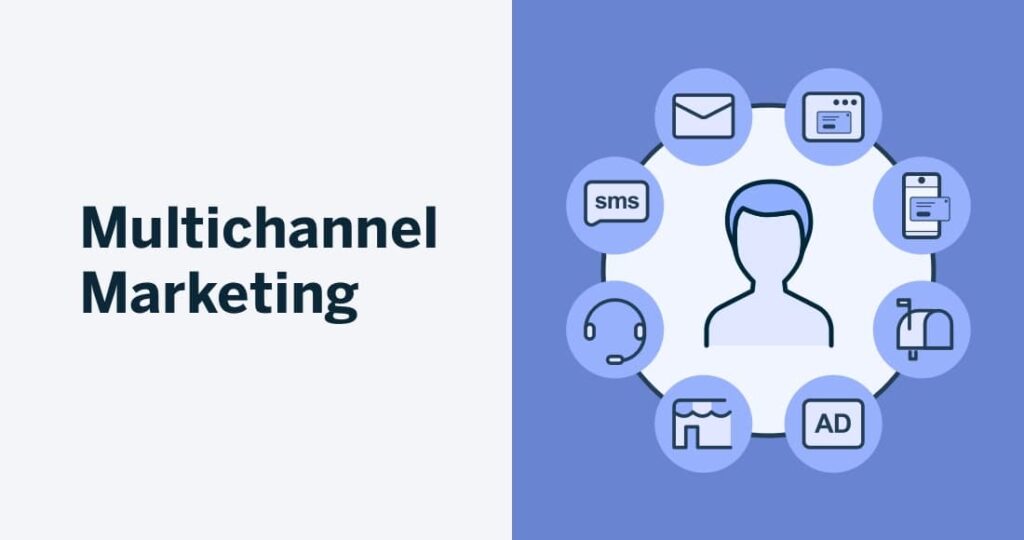
This customer-centric approach allows businesses to tailor their digital marketing strategies to the unique preferences, behaviours, and purchasing journeys of individual customers. By utilizing data from multiple channels, companies can craft personalized and engaging messages, which strengthens customer loyalty, increases conversion rates, and ultimately drives revenue growth.
The Importance of Multi-Channel Marketing for Business Growth
The importance of multi-channel marketing stems from the necessity of being present where your customers are— and they are everywhere. Moreover, consider this: multi-channel customers tend to spend three to four times more than those who engage with a single channel.
Today, customers wield significantly more control over the buying process than marketers. With a multitude of available channels, customers have more options than ever to obtain information.
There are now countless ways to connect with customers, both in terms of the number and variety of channels, far beyond what we could have envisioned in the past. As the number of channels continues to grow, embracing multi-channel marketing will shift from being a beneficial strategy to an essential one.

Multi-channel marketing provides several key advantages that highlight the benefit of multi-channel marketing as an essential strategy for business growth:
Broader Audience Reach
No single marketing channel can effectively connect with all potential customers. Different audience segments may prefer various channels based on factors such as age, profession, or personal tastes. For instance, younger audiences might be more active on platforms like Instagram or TikTok, while professionals may prefer LinkedIn. By leveraging multiple channels, you can ensure your message reaches a wider and more diverse audience.
- Increased Visibility: Multi-channel marketing boosts your brand’s visibility by presenting your message to more people across various platforms, including through social media marketing and targeted PPC management.
- Targeted Messaging: Customize your content to align with the preferences and behaviours of users on each platform, enhancing the relevance and engagement of your marketing efforts.
Improved Customer Engagement
Connecting with customers across multiple channels creates more touchpoints, increasing the chances of conversion. Today, customers often interact with brands on various platforms before purchasing. A multi-channel approach keeps your brand top-of-mind throughout its decision-making process.
- Consistent Experience: Deliver a seamless and consistent brand experience across all channels, whether through email campaigns, your website, or social media ads like Facebook ads.
- Higher Engagement Rates: Different channels provide unique ways to engage your audience. For example, social media can facilitate interactive content, while email can deliver personalized offers. Utilizing multiple channels allows for engagement in ways that resonate best with customers.
Enhanced Customer Journey
The modern customer journey is rarely straightforward. Prospects might discover your brand via a Google search, research it on social media, and then sign up for your newsletter before making a purchase. A multi-channel strategy enables you to create a more comprehensive and responsive customer journey, effectively guiding prospects through the funnel.
- Multiple Touchpoints: Each channel acts as a touchpoint in the customer journey, offering opportunities to nurture leads and advance them toward conversion.
- Better Retargeting Opportunities: If a customer expresses interest on one channel but does not convert, you can employ retargeting strategies on other channels to re-engage and encourage action.
Increased Conversion Rates
When executed effectively, a multi-channel marketing strategy can significantly enhance conversion rates. By reaching customers through their preferred channels and providing a consistent experience, you improve the likelihood of conversion at various stages of the funnel.
- Cross-Channel Synergy: Utilizing complementary channels can create a synergistic effect. For instance, a social media ad might drive traffic to your website, where visitors are then prompted to sign up for a newsletter or take advantage of a special offer.
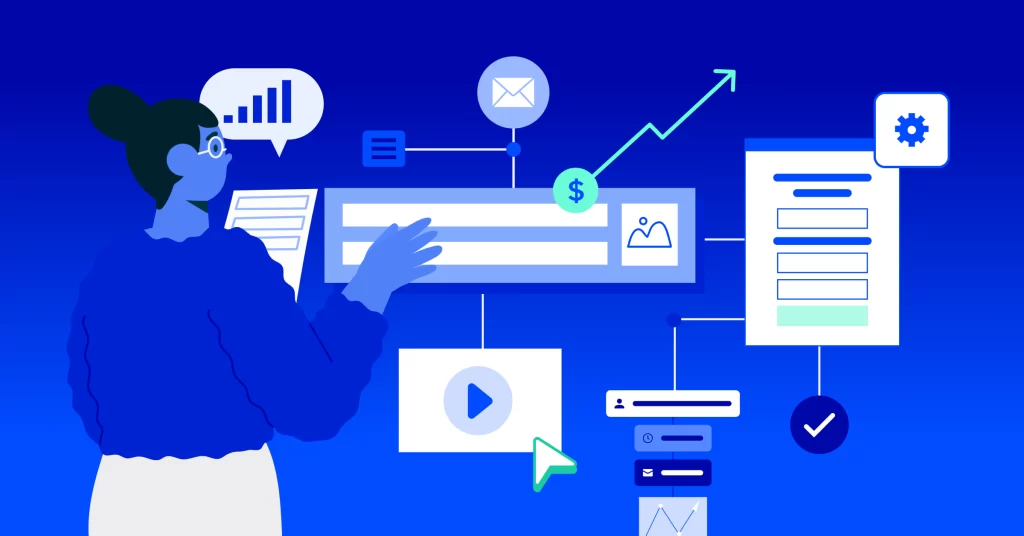
- Data-Driven Optimization: Insights gathered from multiple channels help you understand customer behaviour and preferences better, allowing for refined strategies and improved conversion rates. Additionally, knowing how to track social media events in GA4 can enhance your data-driven decision-making process.
Stronger Brand Loyalty
Maintaining a consistent presence across multiple channels fosters trust and credibility with your audience. When customers encounter your brand consistently across various platforms, they are more likely to view it as reliable and trustworthy, resulting in stronger brand loyalty.
- Personalized Interactions: Multi-channel marketing facilitates personalized interactions based on the customer’s journey and the channel they are using. This personalization can help establish deeper connections with your audience.
- Ongoing Engagement: Keep your audience engaged over time by utilizing a variety of channels to stay connected, provide value, and respond to their needs.
Challenges of Multi-Channel Marketing
Every marketer understands that no strategy is flawless. While the multi-channel marketing approach offers numerous advantages for nearly any campaign, there are also some drawbacks.
It Necessitates Technical Skills
This can be particularly challenging for small businesses, as they may lack the resources to implement a full-scale multi-channel marketing campaign effectively. Many marketers collaborate with their IT departments to add, edit, and manage content across various channels, but this isn’t feasible for every organization.
The multitude of available channels is beneficial, but it can also be overwhelming to leverage them all efficiently. For small businesses facing technical hurdles, a practical solution is to start small—focus on two or three channels where the majority of your target audience is active instead of trying to advertise on every platform at once.
Demands Well-Defined Buyer Personas
Another challenge marketers encounter when developing a multi-channel marketing strategy is perfecting their buyer personas. As different channels attract different customers, you may find that while you’re gaining attention, you’re not closing the sale. This often occurs when your buyer personas do not align with the channels you are utilizing. To address this, invest extra time in creating and refining your buyer personas before diversifying your efforts across multiple channels.
Impacts on Your Marketing Budget
A significant drawback of multi-channel marketing is that it incurs additional costs, which can strain your marketing budget. Many marketers would likely explore new channels without hesitation if budget constraints weren’t a factor. The key to overcoming this challenge also lies in understanding buyer personas—some channels may simply not be effective based on your target audience. Use your buyer personas to identify the channels your customers are most likely to engage with and prioritize those, rather than spreading your resources thin across multiple platforms. Remember, if you choose to scale back on certain channels now to focus on ROI and growth, you can always reintroduce them later. This highlights the importance of multi-channel marketing in optimizing resource allocation.
Three Steps to Achieving Success
So, what does it take to execute multi-channel marketing effectively? Here are three keys to success:

Develop and Sustain a Unified Customer View Across Every Channel.
Having a comprehensive view of the customer is essential, as today’s customers often engage with your brand through multiple touchpoints. It’s crucial to gain insights into their behaviour across all channels and understand each customer’s value to your business.
To achieve a unified customer view, consider setting up a centralized marketing data mart that consolidates all customer information, regardless of its source. Keep the following in mind while creating and maintaining this view:
- Accumulating a large amount of customer data doesn’t equate to a unified view. It’s important to focus on how you utilize that data.
- Your customer view needs to adapt over time. As customers and businesses evolve, so should your understanding of them. This requires updating data, integrating new information, and refining models.
Implement a Multichannel Marketing System.
You may have heard the phrase, “If all you have is a hammer, everything looks like a nail.” This notion applies to marketing, underscoring the necessity of a multi-channel marketing platform. A robust platform should include processes and technology to support:
- Campaign management with features for segmentation, workflow creation, and execution.
- Advanced analytics, including predictive capabilities and campaign optimization.
- Enhanced execution, encompassing content management, event triggering, real-time decision-making, and next-best-offer management for both inbound and outbound marketing.
- Response attribution for marketing mix optimization, scenario planning, and attribution analysis.
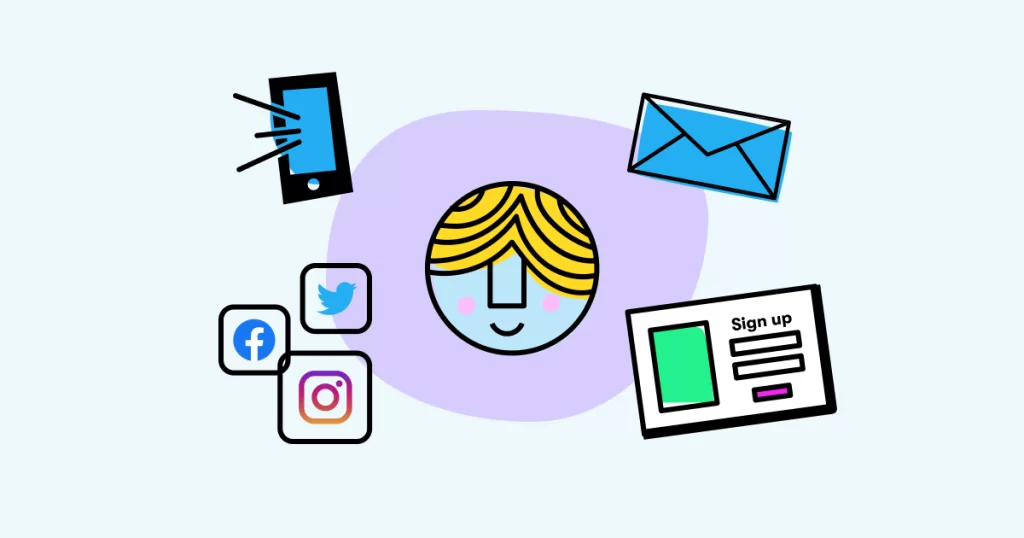
- Digital marketing tools that extend beyond traditional channels to include web, email, mobile, video, and more.
By establishing a multi-channel marketing platform, you can integrate traditional and emerging channels, simplifying the creation and execution of cross-channel campaigns. This approach allows marketers to design a cohesive campaign that can be replicated across various channels, ultimately enabling you to reach the right person with the right offer at the right time, all while reducing costs and enhancing the effectiveness of your marketing efforts.
Ensure Consistent Customer Experiences Across All Channels.
Customer experience is a powerful competitive differentiator, and while quality is vital, consistency is equally crucial. Customers perceive your brand as a whole, whether their interactions occur online, in-store, over the phone, or through a mix of these. A positive online experience loses its value if a customer’s in-store encounter is negative. Treating each channel as an isolated entity increases the risk of alienating customers if you fail to provide a consistent experience.
Conclusion
Multi-channel marketing has become a crucial strategy for businesses aiming to succeed in today’s marketing environment. By connecting with customers across various platforms and ensuring consistent branding, businesses can enhance their marketing initiatives significantly. Recognizing the importance of multi-channel marketing and adopting a data-driven approach, including insights from Google Ads Industry Benchmarks, will enable you to create personalized experiences that lead to success for your business. For more insights and strategies, visit us at Noah Digital.