

Social media is no longer just a space for memes, aesthetics, or checking up on old acquaintances. It has evolved into a dynamic marketplace where brands can engage with potential customers, showcase their offerings, and drive real revenue. But what makes this space so valuable for businesses? Let’s dive into what social media advertising really is—and why knowing the best social media advertising platforms can give your brand a serious
edge.
Table of contents
Understanding Social Media Advertising
Social media advertising means paying to display ads on popular platforms like Facebook, Twitter, Instagram, LinkedIn, and Pinterest, targeting specific audiences who may be interested in your product or service. But why should you invest in social media paid ads? Simply put, they allow you to reach a far wider audience than your current followers. It’s like hosting a beach party and inviting not just your close friends, but everyone who might enjoy the vibe.
Social media platforms have detailed insights into user demographics and preferences. So when you run an ad, you’re not broadcasting blindly—you’re targeting the right people, the ones who’ll be drawn to your unique, hand-crafted, unicorn-infused coffee beans.
Exciting, right? Now, let’s talk numbers…
This year, there are a staggering 5.17 billion social media users worldwide. What’s more interesting is that on average, users interact with 6.7 different social networks every month. This creates a huge opportunity for advertisers to reach their audience across multiple channels.
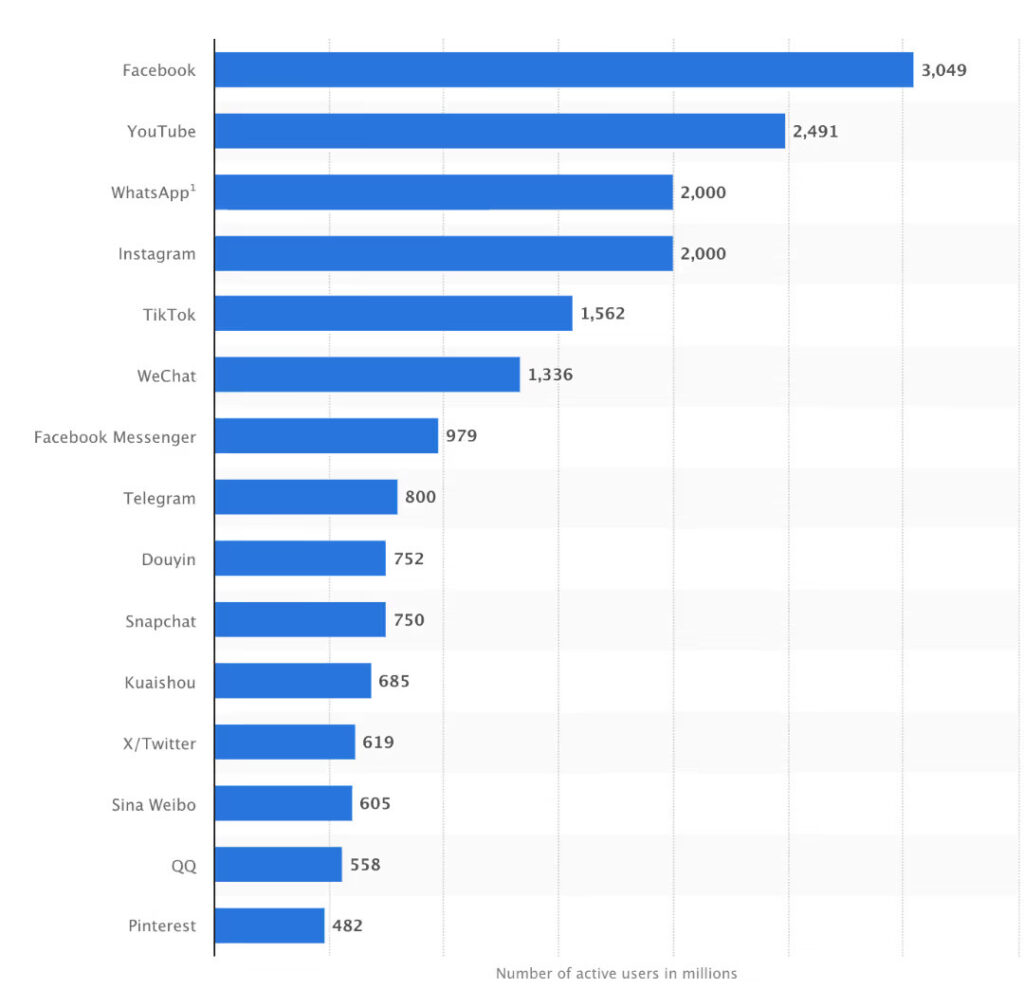
Wondering where to focus your social media marketing efforts? Here’s a key insight: the most popular social media platform globally is Facebook, with over 3 billion monthly active users. YouTube follows closely with about 2.5 billion users, and Instagram isn’t far behind with 2 billion active users. Meta, which owns four of the largest social media platforms, is your best bet for covering all your digital bases and reaching a wide audience.
Difference Between Social Media Advertising and Social Media Marketing
While social media advertising and social media marketing often overlap, they’re not quite the same. Think of it like this: not all marketing is advertising, but every ad falls under marketing. Starting to see the difference? Social media advertising focuses on paid efforts, such as sponsored posts, boosted content, and targeted ad campaigns, designed to reach specific users and drive immediate actions like clicks, sign-ups, or purchases.
These paid campaigns often run on the best social media advertising platforms, such as Facebook, Instagram, LinkedIn, and YouTube, allowing businesses to reach users based on interests, behaviours, and demographics with laser precision.
On the flip side, social media marketing is broader. It includes both paid advertising and organic strategies, like posting content, engaging with followers, responding to comments, and using analytics to understand what resonates. It’s all about building your brand, nurturing community, and fostering long-term relationships.
S,o which one should you choose? In reality, you need both to create a global social media strategy that’s effective. Paid advertising gives you immediate visibility, while organic marketing helps build trust and loyalty over time. Combine both approaches to reach the right people, in the right places, at the right time—and set the foundation for sustained growth across markets.
What Are the Advantages of Social Media Advertising?
Learning how to launch the most effective social media advertising campaigns can unlock massive potential for your brand. Whether you’re aiming to build awareness, drive conversions, or re-engage users, a well-crafted social strategy makes all the difference.
One of the key advantages of social advertising is the ability to track Social Media Events in GA4. With Google Analytics 4, you can gain deep insights into user behavior—understanding exactly how audiences interact with your ads across different platforms. This allows for smarter decisions and real-time campaign optimization.
Here are just a few benefits of getting your social media advertising strategy right:
- Precision targeting: Reach niche audiences based on demographics, interests, and behaviors—like eco-conscious shoppers in Vancouver or dog lovers in Toronto.
- Higher conversion rates: Retarget users who’ve interacted with your site or content and move them closer to a purchase or sign-up.
- Cost-effective results: With PPC and PPV models, you only pay when someone engages with your ad—making the most of your ad spend.
- Increased brand awareness: Get your brand seen by thousands, if not millions, and stay top-of-mind with your ideal audience.
- Real-time analytics: Monitor ad performance instantly and adjust your approach for better engagement and ROI.
By combining precision, creativity, and data-driven insights, you can make your campaigns among the most effective social media advertising efforts in your industry.
The Most Popular Social Media Advertising Platforms
When it comes to social media advertising, several platforms lead the way in delivering powerful reach and engagement for businesses.
Facebook isn’t just a place to catch up with friends or scroll through vacation pics—it’s one of the best social media advertising platforms available today. As a leading hub for social media advertising, it offers endless opportunities for brands to engage with billions of users through comments, video sharing, curated content, and more.
With over 3 billion monthly active users, Facebook remains the reigning champion of global social networks. It’s where people stay informed, entertained, and socially connected—all in one place.
One of Facebook’s most valuable audiences lies in the 25–34 age group. This demographic is often career-focused, socially active, and equipped with purchasing power. That makes Facebook an ideal environment for conversions—if you know how to leverage it right.
Want to level up your strategy? It’s time to explore some proven Facebook Ad hacks that can give your campaigns the edge they need. From split testing creatives to retargeting warm audiences, small changes can lead to major improvements in ROI.
If you’re an eCommerce brand, one powerful tactic is to create a Facebook shopping campaign. This enables users to browse and purchase directly within the platform—removing friction from the buying process and boosting sales.
X (Twitter)
X—formerly known as Twitter—is a platform where users share short-form content like text posts, images, and videos. While X holds a unique spot in the digital space, its 600 million monthly active users don’t quite stack up to social giants like Facebook, YouTube, WhatsApp, and Instagram, each with over 2 billion users. As a result, brands looking for massive reach might find X a bit more limited in comparison to the best social media advertising platforms.
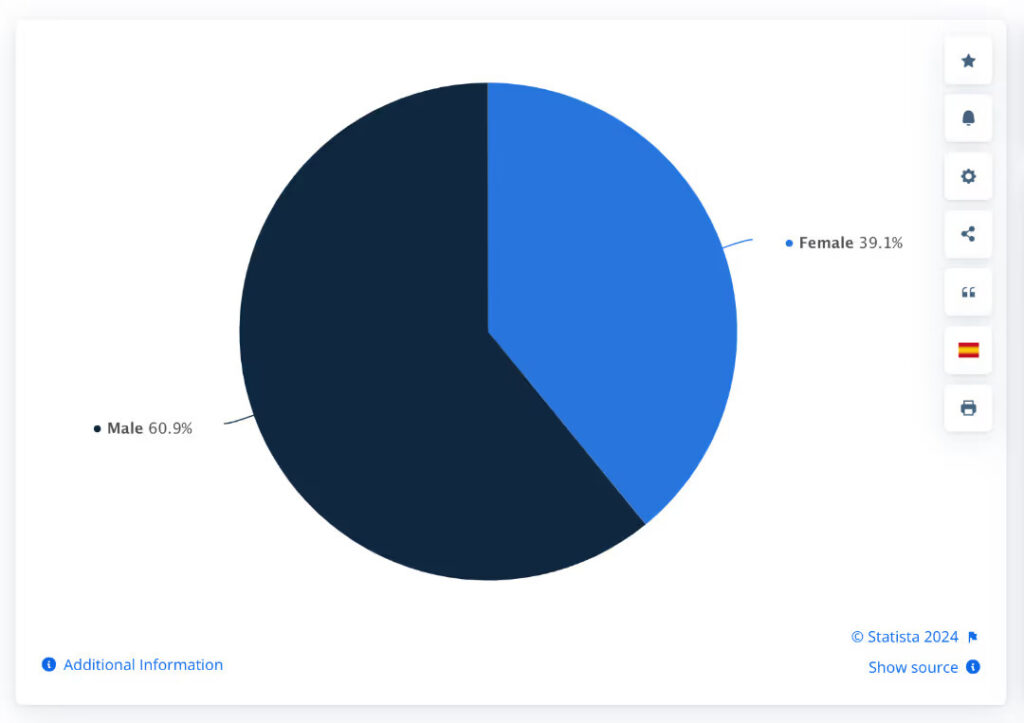
Another important factor to consider is user demographics. Around 60.9% of X’s user base is male, making it less balanced than Facebook, which boasts a more even split—56.8% male and 39.1% female. This demographic imbalance may impact the effectiveness of your campaigns depending on your target audience. Platforms like Facebook tend to offer broader targeting potential because of their larger and more diverse user base.
When it comes to advertising costs, X doesn’t charge based on impressions. Instead, it uses cost per first action (CPA)—you only pay when users take a specific action, such as clicking a link, installing an app, or visiting your website.
While X might not offer the same scale as some of the best social media advertising platforms, it can still be a strategic choice for niche targeting, real-time engagement, and brand presence—especially if your audience aligns with its active user base.
YouTube
YouTube is one of the most powerful video-sharing platforms, enabling users to watch, create, and upload content with ease. With nearly 2.5 billion active users, it stands as the second-largest social media platform worldwide—making it an essential channel for any paid social media strategy.
For businesses aiming to run successful Google Video Marketing campaigns, YouTube offers a variety of ad formats—eight in total. When it comes to video ads, here are the key options:
- Skippable Video Ads allow viewers to skip after 5 seconds, giving advertisers a chance to grab attention fast.
- Non-Skippable Video Ads require viewers to watch the entire ad, typically 15 to 20 seconds long, before accessing their chosen content.
- Bumper Ads are short and punchy, lasting just 6 seconds and cannot be skipped—ideal for strong brand recall.
- Masthead Ads take premium placement at the top of the YouTube homepage. These high-visibility spots are only available through a Google sales representative, making them an exclusive option.
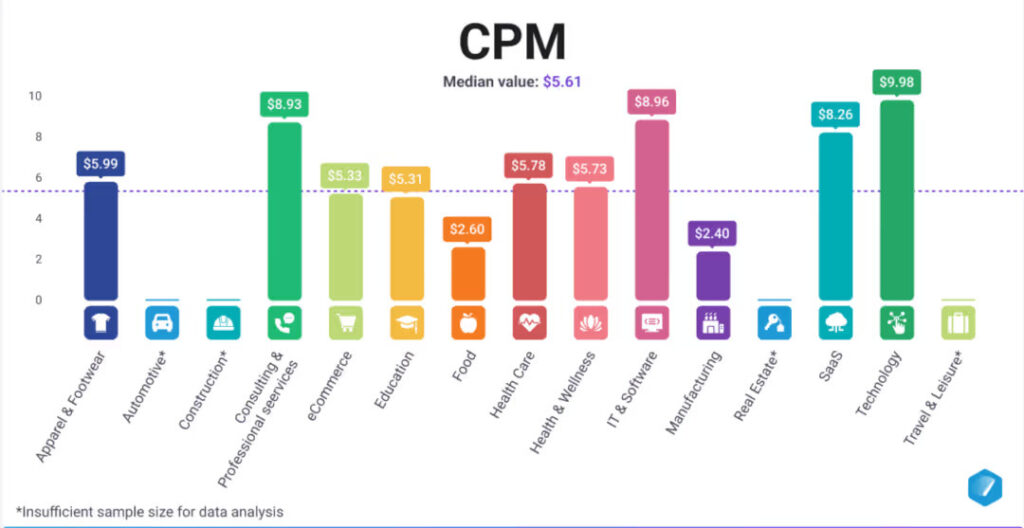
Now, how much does it cost to advertise on YouTube? On average, the CPM (cost per thousand impressions) ranges from $4 to $10. So, for 100,000 impressions, advertisers should expect to invest between $400 and $1,000.
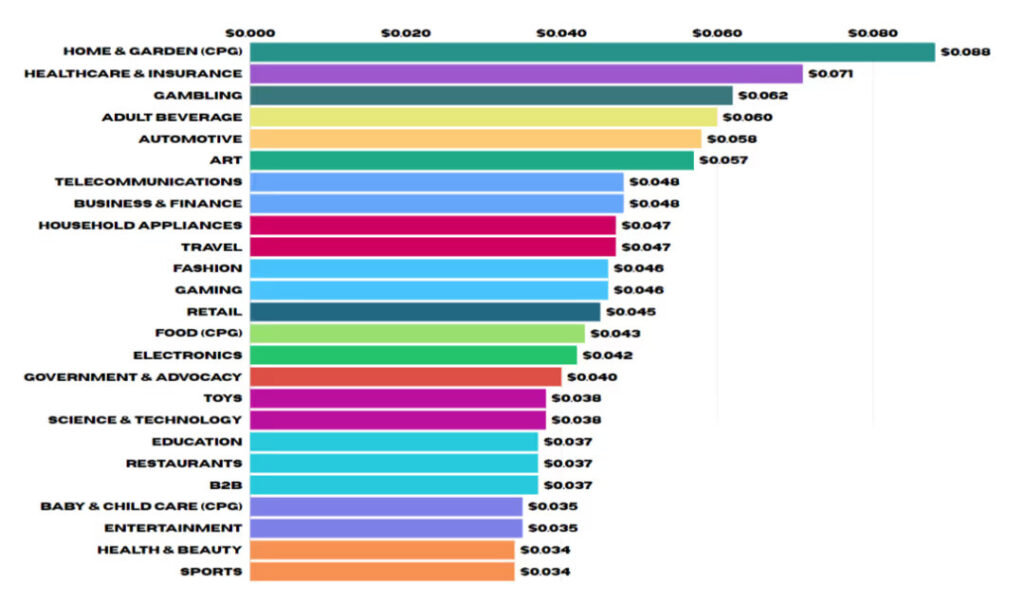
Below is a comparison chart of CPV (cost per view) across various industries. Notably, the home & garden industry sees the highest average at approximately $0.088 per view.
Instagram is a visually-driven social media platform focused on photo and video sharing, offering eight distinct ad formats for advertisers. Users can upload content to their profiles, interact through likes and comments, and explore new trends via hashtags. Its strong visual appeal makes Instagram one of the best social media advertising platforms for showcasing products and building brand awareness.
In the past year, Instagram’s CPM (cost per thousand impressions) ranged from $6.94 to $10.06, with feed ads averaging around $8.50. Story ads came in slightly lower, with a benchmark CPM of $6.25 during the same timeframe. When it comes to cost per click (CPC), advertisers typically pay between $0.40 and $0.70—this includes all ad interactions such as link clicks, likes, shares, and comments.
For ads that direct users to a specific URL, CPC usually falls between $0.50 and $0.95. Additionally, the cost per engagement is generally low, ranging from $0.01 to $0.05. As for impressions, advertisers can expect a CPM between $2.50 and $3.50.
With competitive pricing and a highly engaged user base, Instagram continues to earn its place among the best social media advertising platforms for brands looking to connect visually and drive meaningful engagement.
LinkedIn isn’t just another social network—it’s the digital equivalent of a power suit. It’s where professionals connect, job seekers explore opportunities, and businesses build meaningful B2B relationships. But is its 740-million-strong user base the right fit for your brand?
When users are active on LinkedIn, they’re typically in a professional mindset—focused on careers, industry insights, and personal development. This makes it one of the best social media advertising platforms for B2B brands, educational institutions, and professional services.
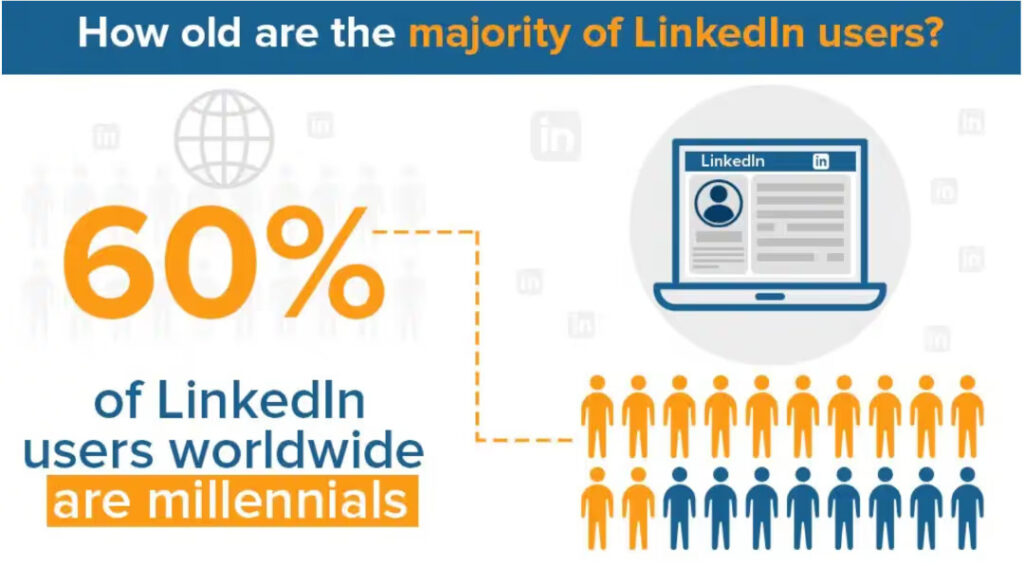
What’s more, LinkedIn users possess over twice the average online buying power, and 60% of its audience falls within the millennial age bracket (28–43). If your target demographic includes decision-makers in sectors like finance, postgraduate programs, corporate training, or consultancy services, LinkedIn offers powerful potential.
Ad costs on LinkedIn can vary widely depending on your targeting, content type, and engagement levels. The cost per click (CPC) ranges from $2 to $15, while the cost per thousand impressions (CPM) can span from $30 to over $200.
TikTok
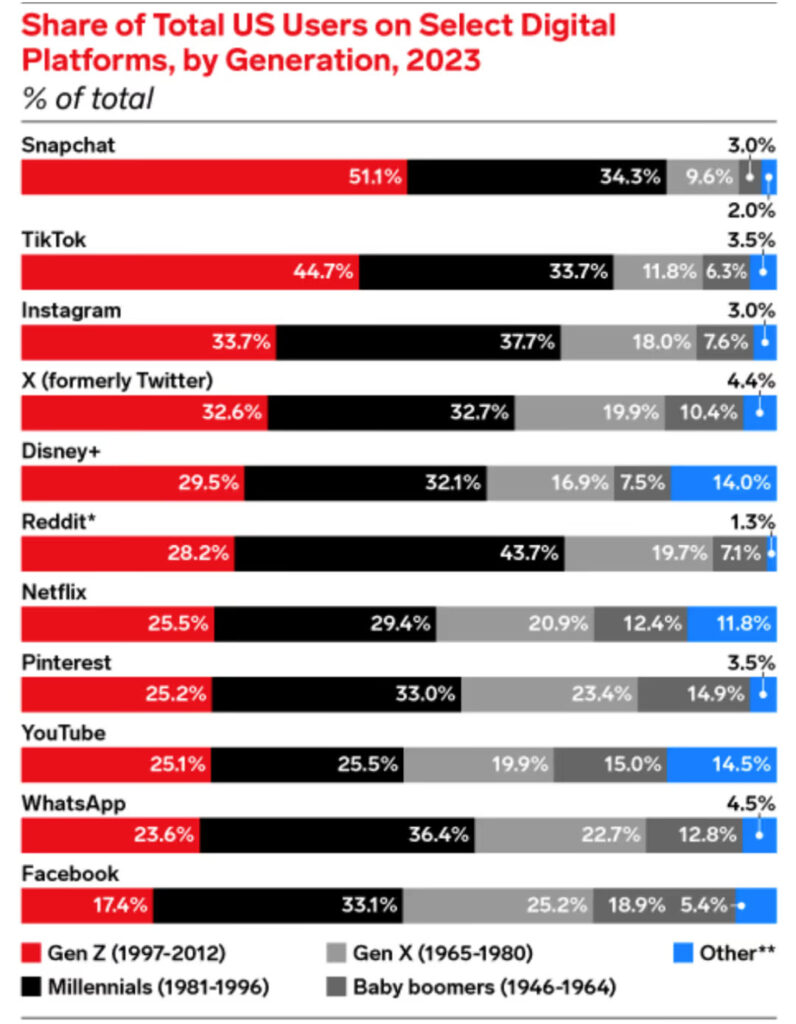
TikTok has quickly risen to become one of the best social media advertising platforms, thanks to its highly engaging short-form video content and over 1.5 billion users. Known for music, dance trends, and storytelling, TikTok is a go-to for brands looking to connect with Gen Z and younger millennial audiences.
Brands that lean into TikTok’s casual, unfiltered style often win the trust of viewers. From playful challenges and behind-the-scenes content to authentic user-generated posts, TikTok allows brands to show their human side and have fun doing it.
With a user base heavily dominated by Gen Z, TikTok is a must-have if your brand wants to engage the next generation of consumers.
Advertising on TikTok typically involves a CPM of $12.85 on average, though this varies by industry—ranging from $8.06 in Business & Industrial to $26.51 in Ecommerce. In-feed ads generally cost between $6 and $10 CPM, while TopFeed and TopView ads can go up to $20.
CPC rates are competitively low—averaging $0.19, with some brands achieving even lower rates (e.g., $0.13 for an online jewelry store or just £0.04 for a beauty brand). With its strong click-through rates and affordable pricing, TikTok offers a high-impact, budget-friendly advertising solution.
Pinterest is all about visual discovery—a digital inspiration board where users browse ideas, how-to guides, and product recommendations. With 482 million monthly active users, it stands out among the best social media advertising platforms for product-based businesses.
Whether you’re in fashion, home décor, food, wellness, travel, or weddings, Pinterest allows brands to thrive by showcasing visuals through pins and promoted content.
Keep in mind Pinterest’s notable gender skew: nearly 80% of global users are women. If your target audience includes a female demographic, Pinterest can be an incredibly effective platform.
Ad costs are relatively accessible:
- Brand awareness campaigns: $2.00–$5.00 CPM
- Engagement or traffic campaigns: $0.10–$1.50 per interaction
- Conversion campaigns: $6.00–$10.00 per action
This makes Pinterest a great choice for brands seeking high visual impact with modest budgets.
Snapchat
Snapchat, known for its ephemeral content and playful filters, has evolved into a powerful marketing tool with around 750 million daily active users. It’s ideal for brands targeting younger demographics and ranks among the best social media advertising platforms for Gen Z and under-35 audiences.
Snapchat encourages authentic, spontaneous content—perfect for brands that want to be relatable and break away from polished campaigns. With users opening the app roughly 40 times a day, visibility potential is impressively high.
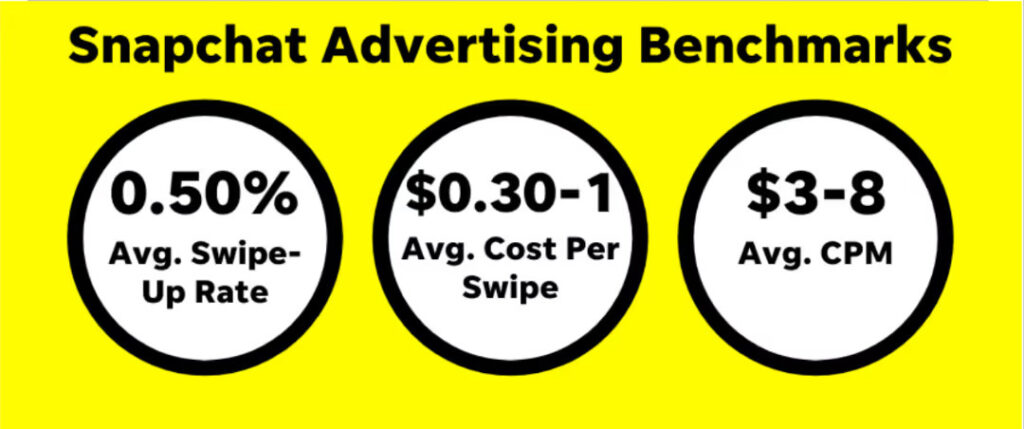
From a cost perspective, Snapchat offers reasonable ad pricing:
- Average CPM: $3.03–$8.00, cheaper than Facebook and Instagram
- Cost per swipe: Typically between $0.30–$1.00
For high-impact interactive experiences, Sponsored Lenses cost between $450,000 and $700,000 based on campaign duration. Snap Ads—10-second videos placed between stories—run around $50,000 per day for large-scale campaigns.
Snapchat’s unique format and playful vibe make it a valuable channel for brand storytelling and youth engagement.
Conclusion
Social media advertising isn’t just a trend—it’s a cornerstone of modern marketing strategy. With billions of users engaging across platforms like Facebook, YouTube, Instagram, and TikTok, your brand has more opportunities than ever to connect, convert, and grow. By understanding the core principles of social media advertising, recognizing how it differs from organic marketing, and identifying the platforms that best align with your audience and goals, you set yourself up for success.
Whether you’re looking to boost brand awareness, drive conversions, or tap into niche markets, leveraging the best social media advertising platforms gives you the edge in a crowded digital space. So, start small, test often, analyze your data, and refine your approach. With the right strategy, social media advertising can become one of your brand’s most powerful growth tools.