

When it comes to paid search marketing, Google remains the dominant force. But is it the right platform for B2B advertising?
The short answer: absolutely.
With over 3.5 billion searches happening every day, Google connects businesses with high-intent users—an advantage that few other platforms can match.
If you’re looking to build a successful B2B Google Ads strategy that drives real results and aligns with your business goals, keep reading to learn how to navigate this competitive landscape effectively.
Table of contents
- The Benefit of Using Google Ads for B2B Advertising
- What’s the Best B2B Google Ads Strategy?
- 7 Strategies for Successful B2B Lead Generation with Google Ads
- Select intent-oriented keywords
- Craft clear, compelling ad copy
- Create targeted, high-converting landing pages
- Align bidding strategies with your campaign goals
- Maximize ad visibility with extensions
- Leverage retargeting to re-engage interested prospects
- Combine conversion tracking with sales team insights
- How To Target B2B Audiences on Google Ads?
- B2B Ads vs. B2C Ads: Understanding the Crucial Differences
- Conclusion
- FAQs
The Benefit of Using Google Ads for B2B Advertising
With so many advertising platforms available, why should B2B marketers prioritize Google?
“Google Ads offer highly targeted control over the audience you attract because the platform is keyword-driven,” explains Yadegar. “By focusing on specific, intent-based search terms, we can reach users actively looking for solutions, resulting in more qualified leads and lower acquisition costs.”
What’s the Best B2B Google Ads Strategy?
There’s no universal approach when it comes to building a successful B2B Google Ads strategy. While it may be tempting to look for a “one-size-fits-all” solution, the reality is that your strategy should be tailored to your unique audience, industry, and business goals.
The most effective campaigns combine multiple tactics—like targeted keyword selection, smart bidding, and compelling ad copy—all grounded in data and ongoing optimization.
When done right, Google Ads B2B lead generation can be a powerful tool to attract high-intent prospects and drive real results. Below are some proven strategies you can implement to take your campaigns to the next level.
7 Strategies for Successful B2B Lead Generation with Google Ads
An effective B2B Google Ads strategy is more than just setting up campaigns and hoping for clicks. It requires a thoughtful approach that aligns with the buyer’s journey, leverages intent-driven targeting, and focuses on long-term value. Whether you’re new to B2B advertising or looking to refine your approach, these proven tactics can help generate high-quality leads and improve your return on investment.
Here’s how to build a solid foundation for B2B lead generation through Google Ads:
Select intent-oriented keywords
Precision is paramount when it comes to selecting B2B keywords. You need to complete thorough audience research to understand their search behaviour. From there, you can identify long-tail keywords that reflect specific business pain points and solutions. Think like your ideal customer and try to anticipate the phrases they would type into search boxes.
Craft clear, compelling ad copy
B2B decision-makers are short on time and focused on results. Your ad copy must be concise, relevant, and persuasive. Speak directly to their pain points and aspirations, and clearly communicate the value your solution delivers.
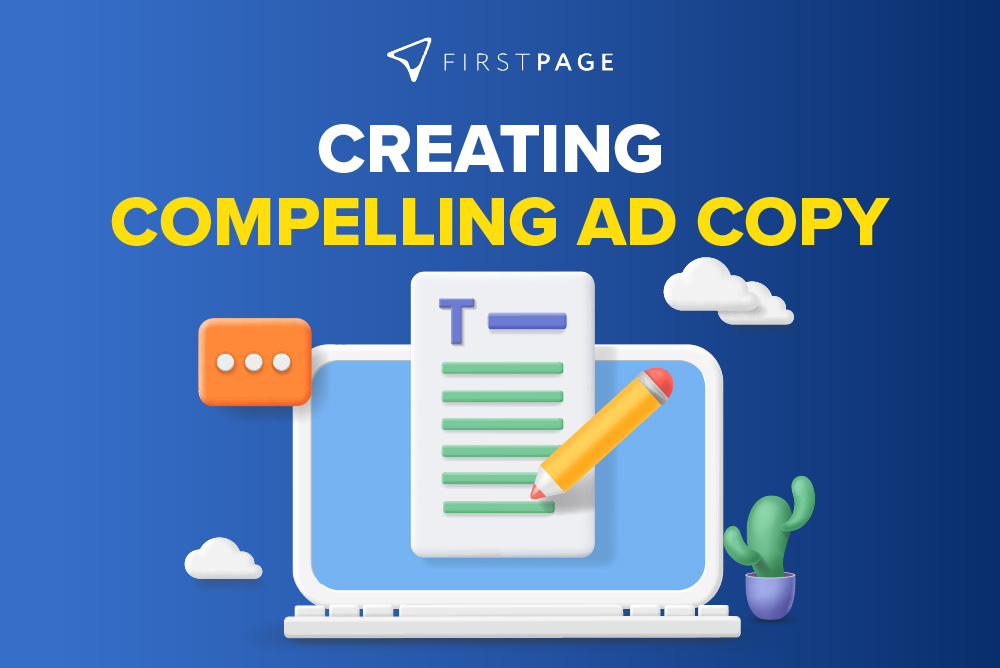
Don’t forget to include a strong call to action (CTA) that guides them toward the next step.
Create targeted, high-converting landing pages
A click on your ad is just the beginning. Your landing page should match the ad’s message and be designed with conversions in mind.
Ensure a smooth user experience, include clear next steps, and use persuasive copy to drive action.
Align bidding strategies with your campaign goals
A successful B2B Google Ads strategy hinges on smart bidding. Optimize your bids based on specific campaign objectives—whether it’s lead generation, brand awareness, or conversions.
Take advantage of automated bidding options to make smarter, data-driven decisions that maximize ROI.
Maximize ad visibility with extensions
Use ad extensions like sitelinks, callouts, and structured snippets to expand your ad’s footprint.
These elements provide additional details, highlight key benefits, and increase the likelihood of attracting qualified B2B leads.
Leverage retargeting to re-engage interested prospects
Why focus only on cold traffic when you already have a warm audience? Retargeting helps re-engage users who’ve shown interest but haven’t converted.
From display ads to Performance Max and remarketing lists for search ads (RLSA), Google Ads offers powerful tools to support Google Ads B2B lead generation efforts.
Combine conversion tracking with sales team insights
Accurate conversion tracking is essential. Track more than just final conversions—assign value to micro-actions like whitepaper downloads or demo requests. This signals Google on what really matters and improves campaign performance.
To go further, collaborate with your sales team. Their insights can shape more effective funnels, ad copy, and lead magnets. They know what objections prospects raise, what sparks interest, and what content warms up leads.
How To Target B2B Audiences on Google Ads?
Reaching the right decision-makers in a B2B setting requires a focused and well-executed B2B Google Ads strategy. Here are key tactics to help you connect with qualified leads and maximize your return on ad spend:
Conduct strategic keyword research
The foundation of any successful B2B Google Ads strategy starts with deep keyword research. Identify the exact search terms your target audience uses when seeking solutions like yours—especially long-tail keywords that reflect clear intent.
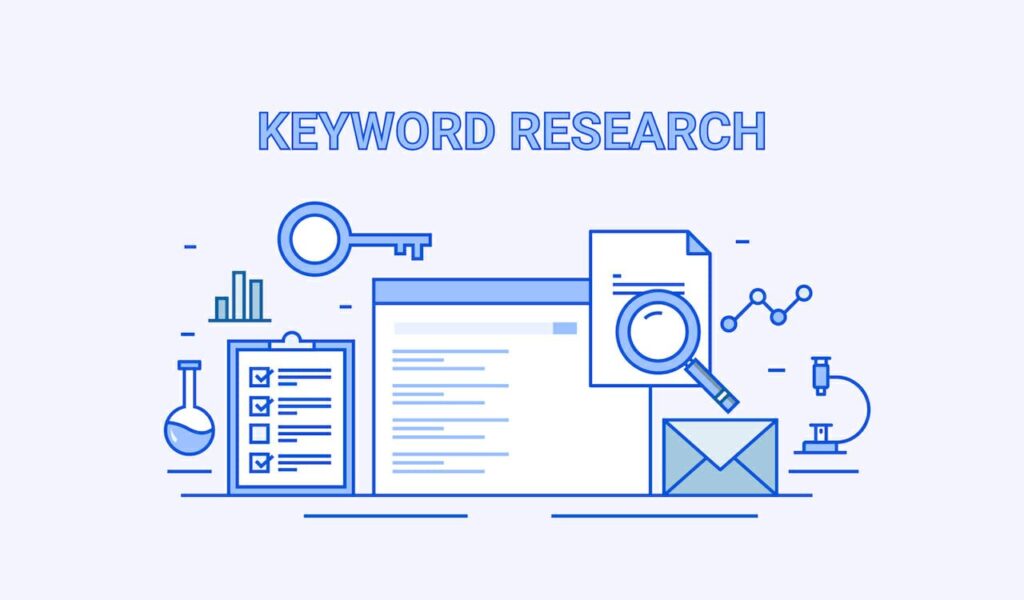
Use tools like Google’s Keyword Planner, competitor analysis, and your own analytics to find high-value opportunities. Intent-driven keywords are crucial to lowering acquisition costs and increasing lead quality.
Launch remarketing campaigns
A strong B2B Google Ads strategy doesn’t just focus on first impressions—it nurtures leads over time. Remarketing keeps your brand visible to users who’ve already interacted with your website or ads.
This is especially important in B2B, where long sales cycles are common. Retargeting reinforces your value proposition and nudges warm leads closer to conversion.
Build custom audiences
Custom audiences allow you to target users who’ve already shown interest in your product or service—whether through email signups, site visits, or past purchases.
As part of a well-rounded B2B Google Ads strategy, using custom audiences ensures your ads are more personalized, relevant, and effective in moving prospects through the funnel.
Leverage in-market audiences
Google identifies users who are actively researching or considering a purchase in a particular category. With in-market audiences, your B2B Google Ads strategy can tap into this real-time buyer intent.
This means your ads will be shown to B2B decision-makers already in the evaluation stage, making every impression more impactful.
Use negative keywords to filter out irrelevant traffic
Just as targeting the right keywords is important, excluding the wrong ones is critical. A refined B2B Google Ads strategy should always include a robust negative keyword list to prevent your ads from showing for unrelated or low-quality searches.
This reduces wasted spend and ensures you’re only attracting qualified traffic.
Apply keyword match types thoughtfully
Keyword match types are a core component of any B2B Google Ads strategy. Use a mix of exact match, phrase match, and broad match (with modifiers) to balance control and discovery.
Exact match terms help drive high-quality clicks, while phrase and broad match types reveal new keyword opportunities to expand your reach.
Organize ad groups around tight themes
A well-structured campaign is essential to a high-performing B2B Google Ads strategy. Organize ad groups by tightly related keyword themes to improve ad relevance, Quality Scores, and cost-efficiency.
Tailored ad copy that mirrors the searcher’s intent boosts engagement and increases the likelihood of clicks from your ideal B2B prospects.
B2B Ads vs. B2C Ads: Understanding the Crucial Differences
If you’ve previously managed Google Ads for B2C campaigns—whether for another business or a different segment of your audience—you might assume the same approach will work for B2B.
But here’s the reality: applying B2C tactics to a B2B Google Ads strategy rarely leads to success.
B2B and B2C advertising operate in very different worlds, each with unique audience behaviour, decision-making processes, and performance metrics. To create an effective B2B Google Ads strategy, you need to recognize and adapt to these core distinctions:
The audience: Logic-driven vs. emotionally-driven
A key difference lies in how each audience makes decisions. In B2B advertising, you’re targeting professionals who base decisions on logic, ROI, and business impact. Your B2B Google Ads strategy should focus on problem-solving, efficiency, and long-term value—factors that matter most to business buyers.
In contrast, B2C buyers are emotionally driven. They respond to storytelling, lifestyle appeal, and brand identity. Their purchases are often personal, emotional, and impulsive.
The buying process: Long-term evaluation vs. immediate action
B2B transactions are typically larger, more complex, and require the input of multiple stakeholders. The buying journey involves extensive research, comparisons, and careful consideration. That’s why a winning B2B Google Ads strategy must support this process with informative content, lead nurturing, and clear, value-focused messaging.
On the B2C side, purchases often happen quickly—sometimes in minutes. B2C ads are designed to capture attention and trigger fast conversions with urgency, emotion, and simplicity.
The content approach: Data-backed insights vs. entertaining stories
B2B ads are driven by substance. Buyers want product specs, use cases, testimonials, and proof of performance. A strong B2B Google Ads strategy highlights this information to build authority and trust.
Meanwhile, B2C ads rely on emotional hooks and visual appeal. Entertaining narratives, vibrant imagery, and brand lifestyle messaging take center stage.
The sales cycle: Long-term engagement vs. short-term gratification
B2B sales cycles can take months—sometimes more than half a year. Patience is essential. A well-executed B2B Google Ads strategy must sustain engagement across the entire cycle, keeping your brand visible and relevant throughout a drawn-out decision-making process.
B2C sales, by contrast, are often completed within hours or days. The strategy here is to create urgency and capitalize on a customer’s desire for quick satisfaction.
Conclusion
Mastering your B2B Google Ads strategy is key to connecting with decision-makers and professionals actively searching for the solutions you provide. By combining precise targeting, compelling ad copy, and conversion-optimized landing pages, you can drive high-quality leads and unlock measurable business growth.
To take your strategy to the next level, download our AI-powered guide and discover how to refine your B2B Google Ads strategy with data-driven insights and smart automation.
FAQs
B2B Google Ads often have a higher CPC compared to B2C due to more competitive keywords and longer sales cycles. On average, B2B CPCs can range from $3 to $8 or more, depending on your industry, competition, and ad quality. Investing in the right B2B Google Ads strategy helps optimize spend and improve ROI.
While some traffic may start immediately, B2B Google Ads typically take 1 to 3 months to show meaningful lead generation results due to longer sales cycles and the time required to optimize campaigns. Patience and ongoing data analysis are crucial for success.
It’s best to run B2B Google Ads continuously to maintain brand visibility and stay top-of-mind throughout the extended decision-making process. Unlike B2C, B2B buyers often research for weeks or months. A consistent presence supports long-term nurturing and leads conversion.