


Take a moment to assess your website. Have you noticed a drop in traffic even though your rankings seem unchanged? The emergence of zero-click future searches on Google and other search engines is disrupting traditional SEO success and reshaping the landscape. AI-powered overviews, featured snippets, and answer boxes now provide users with the information they need without ever needing to click through to your site. And for the most part, users seem satisfied. Nearly 44% of marketers have reported a decline in web traffic since the rise of AIOs, while 48% have experienced increased revenue from ads and affiliate links.
So, how can you remain relevant when Google captures more traffic for itself? This has been a challenge for many, and it’s something we’ll explore here. We’ll dive into the zero-click future and provide practical, actionable strategies to enhance your visibility and demonstrate your value, helping you build a thriving brand even as clicks become less frequent.
Understanding Zero-Click Searches
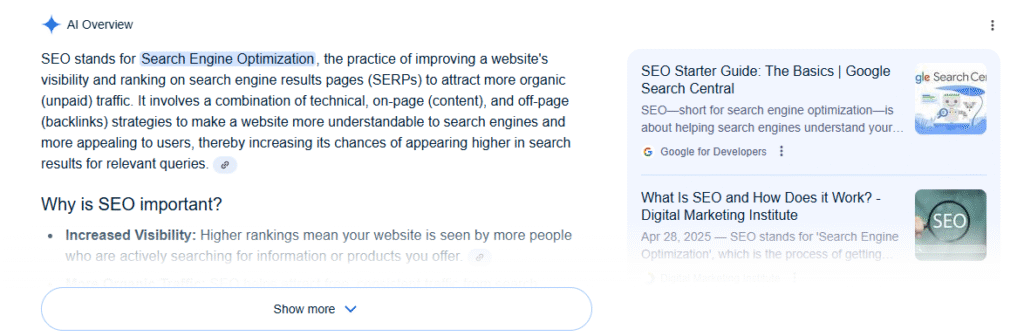
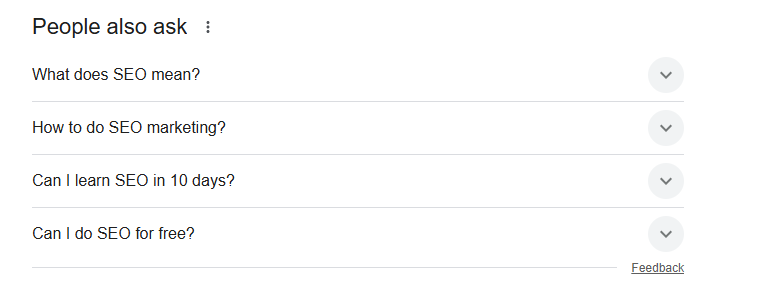
A zero-click future is one where users get their answers directly within the search results, without needing to click through to a website. Examples of this include featured snippets, AI overviews, local packs, and “People Also Ask” boxes. These features are highly beneficial for users as they provide immediate answers, enhancing user satisfaction. For marketers, the advantage lies in the brand visibility these results offer in prominent positions. However, the downside is fewer site visits and reduced opportunities to convert visitors. As a marketer, understanding this shift is crucial. Leveraging a professional search engine optimization service can help you adapt to zero-click future features, optimize your content for inclusion, and maintain your relevance even when traffic starts to decline.
Why the Zero-Click Future Is Dominating
Platforms like Google, Bing, and AI-driven tools are focused on keeping users within their ecosystems. By offering instant answers, they reduce the need for users to click through to external sites. Social media platforms like TikTok, Instagram, and YouTube have also become key search destinations, answering queries directly within the app. Why are these platforms taking this approach? Primarily to serve ads. By keeping users on their platforms, companies like Meta and Google can continuously show ads based on your search history and behaviour, increasing the chances of clicks and ad revenue.
The downside of this trend is that it forces brands to compete for attention across a wide range of discovery channels. Relying solely on paid search or earned media is no longer enough. Adapting to this zero-click future is no longer optional; it’s essential. You must understand where your audience is searching and customize your content for these environments to stay relevant.
The Cost of Overlooking Zero-Click
Neglecting the zero-click future can gradually diminish your digital presence until the effects become irreversible. While the most apparent loss is website traffic, there are several other significant consequences:
- Diminished brand visibility: When your content isn’t featured in AI overviews, knowledge panels, or other SERP features, your competitors will likely take that spot. This shift can impact user perception and brand recognition, leaving you wondering where your audience has gone.
- Decreased engagement across the funnel: Without visibility at the top of the funnel (TOFU), your efforts in the middle and bottom of the funnel will likely struggle. Fewer people entering your ecosystem means it becomes harder to build relationships and drive conversions.
- Weakened authority signals: Search algorithms and AI models tend to favor content that has already been cited or featured. If you’re not in the mix, you risk being overlooked in future citations, which can trigger a cycle that reduces your credibility both with machines and users.
- Loss of valuable data and audience insights: When users find answers elsewhere, you lose out on the behavioral data generated from on-site engagement. This limits your ability to refine your messaging, test new offers, and personalize the user experience.
- Potential revenue decline: Reduced visibility and engagement inevitably lead to fewer leads, sales, or ad impressions. Over time, this financial impact can add up significantly.
Failing to adapt to the zero-click future means relinquishing control over how and where your brand is showcased in the search experience.
How to Succeed in a Zero-Click World
We all know that ignoring zero-click searches comes at a cost, but how can you actually thrive in this environment? The key to success is shifting your focus from simply chasing clicks to owning the answers that matter most to your audience.
Optimize for AI & Featured Snippets
Marketers gain increased visibility, and users benefit from quicker, more accurate answers. Structured content makes it easier for AI and search engines to highlight your brand.
For example, a travel website might create a “Top 10 Things to Do in Milwaukee, WI” guide with schema markup for attractions, ensuring Google can pull quick answers for users searching for “things to do in Milwaukee.” This provides instant value to the user while positioning your brand as a trusted source. To achieve this, consider:
- Implementing schema markup for FAQs, how-tos, and reviews.
- Developing content hubs with strong internal linking.
- Including concise summaries at the beginning of articles.
- Use clear and descriptive headers for each section.
Become a trusted source
AI summaries and featured snippets prioritize credible, unique content that provides real value. Marketers build authority, while users gain access to more reliable, informative answers they can trust.
For example, a leading SaaS company publishes a report with proprietary industry data. AI extracts statistics from the report to answer user questions, positioning your brand as an expert. To get started, consider:
- Conducting original research and sharing your findings.
- Adding expert insights from internal or external subject matter specialists.
- Including case studies that showcase measurable results.
- Using side-by-side comparisons to make decision-making easier.
Strengthen your brand authority
Establishing yourself as a recognized authority increases the chances of being cited by AI tools and appearing in search engine results pages (SERPs). Marketers benefit from continuous exposure, while users gain trust in your answers. To maximize the impact, pitch newsworthy stories to top-tier or highly relevant industry publications. If your brand strategy isn’t leveraging substantial outreach opportunities, you’re missing out on both recognition and potential revenue.

For instance, a health clinic could contribute expert articles to prominent medical websites. As AI tools seek reliable health information, your clinic’s name is recognized as a trusted source. To make this happen, take steps to:
- Build digital PR initiatives to earn mentions on authoritative websites.
- Secure references on platforms like Wikipedia when applicable.
- Encourage positive customer reviews.
- Obtain high-quality backlinks.
- Maintain consistent branding across all content.
Create engaging, click-worthy content
Even in a zero-click future, some users still seek more detailed information. Marketers can attract these motivated visitors, while users benefit from access to in-depth resources. The key? Moving beyond the traditional “blog” approach. For example, imagine a marketing blog that features an interactive ROI calculator within an article about ad spend. While the snippet provides basic tips, the tool requires users to visit the site, encouraging deeper engagement. To foster this kind of engagement, consider:
- Offering exclusive tools, downloads, or templates.
- Creating comprehensive guides that go beyond typical snippet length.
- Writing meta descriptions that spark curiosity.
- Adding visuals, charts, and examples not visible in SERPs.
Explore new search frontiers beyond Google
Search is no longer confined to Google. Your audience is seeking answers on platforms like TikTok, Reddit, YouTube, Instagram, and through AI assistants. To expand your reach and engage users on these diverse platforms, you need to be proactive. Repurpose your existing blog content into short-form videos, answer niche questions in online communities, optimize for video search on YouTube, and format all content for AI readability.
Diversifying your presence across various search platforms ensures that you aren’t overly dependent on one platform’s algorithm. Users benefit from receiving answers in the format and platform they prefer. For instance, cooking brands may post quick recipe videos on TikTok for inspiration, offer detailed video instructions on YouTube, and provide in-depth written recipes on their blog for users who want a step-by-step guide.
Looking for platform-specific strategies? Consider the following:
- TikTok: Use a 3-second hook, trending hashtags, and text overlays with key terms.
- Reddit: Target subreddits with 10K+ members and provide 150+ word helpful responses.
- YouTube: Include timestamps, chapter markers, and upload transcript files.
By thinking beyond Google and diversifying your search presence, you’ll ensure your content reaches users where they are, in the way they prefer.
Conclusion
Succeeding in a zero-click future requires a focus on gaining visibility and trust across all platforms where answers are provided. Publish content that earns valuable citations and creates engaging experiences. Crafting a content strategy that reaches customers wherever they search is just the beginning. To make a lasting impact, it’s crucial to track metrics that reflect true visibility and leverage those insights to maximize your brand’s potential.