

Algorithms in digital marketing decide who gets seen and who gets ignored online. For business owners, understanding how these algorithms work is no longer optional – it directly affects visibility, traffic, and conversions.
When used correctly, an algorithm in digital marketing helps brands deliver the right message to the right audience across search engines, social platforms, and paid ads. When ignored, even high-quality content and strong offers can disappear behind competitors who better align with platform algorithms. In a crowded and fast-moving digital landscape, mastering marketing algorithms is essential for sustainable growth.
Table of contents
- The Nature of Algorithms in Global Digital Platforms
- The Importance of Algorithms in Digital Marketing for the Global Market
- Algorithms and SEO in International Markets
- Algorithms and Social Platforms for Global Audiences
- Google Ads Algorithm in Global Markets
- Leveraging Data Analytics and Algorithms for Global Market Success
- Algorithms’ Role in Content Discovery and Distribution
- Adapting to E-Commerce Algorithms for Global Sales
- How Search Algorithms Work in Different Countries
- Conclusion
The Nature of Algorithms in Global Digital Platforms

What is the role of an algorithm in digital marketing platforms?
Algorithms control how content, ads, and products are distributed across global digital platforms. In digital marketing, they determine visibility by evaluating relevance, user intent, and engagement signals, making them a critical part of any digital marketing strategy for the global market.
These systems shape user interactions by deciding what appears in search results, social feeds, and ad placements. Platforms like Google rank pages based on relevance, content quality, and authority, while Meta platforms prioritize content predicted to match user interests.
Algorithms also drive personalization in eCommerce and advertising. Amazon uses behavioural data to power product recommendations, while Google and Meta rely on automated targeting and bidding to optimize ad delivery. Many advertisers measure performance using the Google Ads industry benchmark to evaluate results and refine their campaigns.
The Importance of Algorithms in Digital Marketing for the Global Market

Algorithms are essential for global digital marketing, enabling businesses to personalize campaigns, target the right audience, and optimize performance across diverse markets. By analyzing vast amounts of data, algorithms help businesses adapt quickly to trends, increase customer engagement, and stay competitive.
- Targeted Advertising: Algorithms enable businesses to create highly targeted campaigns, increasing conversion rates and improving marketing efficiency.
- Enhanced Customer Experience: Personalized content and recommendations based on user data boost engagement and loyalty.
- Global Reach: Algorithms allow businesses to tailor strategies for different regions, overcoming geographical and cultural barriers.
Algorithms and SEO in International Markets

Discussions around algorithms and digital marketing are especially relevant when it comes to SEO (search engine optimization), which remains a core channel for content visibility across international markets. Search engine algorithms determine which pages appear in results, making it essential to optimize content with both users and algorithms in mind.
Google regularly outlines key ranking principles through its Search and SEO documentation, even though the full algorithm remains undisclosed. Today, search algorithms primarily focus on the following factors:
- Search intent: The algorithm aims to understand what users are looking for and why, including whether they need informational, commercial, or transactional results, as well as how time-sensitive the query is.
- Page relevance: Content is evaluated based on how well it addresses the search query. Keywords still matter, but relevance is determined by overall topic coverage and clarity, not keyword repetition.
- Content quality: Google prioritizes content that demonstrates experience, expertise, authoritativeness, and trustworthiness, while filtering out low-value or unoriginal pages.
- Page usability: Technical factors such as mobile friendliness, page speed, and overall user experience directly influence rankings.
- Search context: Results may vary based on location and language, making localization critical for businesses targeting multiple countries.
Recent algorithm updates have reinforced Google’s long-term direction rather than introducing entirely new ranking factors. Review-focused updates now reward content that provides genuine analysis and original insights, while ongoing core updates continue to prioritize helpful, people-first content over pages created primarily for rankings.
For business owners looking to thrive in the global market, grasping these aspects of the algorithm in digital marketing is vital. Creating relevant, high-quality content that aligns with these principles can improve your SEO performance and ensure your business stands out in search engine results.
Algorithms and Social Platforms for Global Audiences
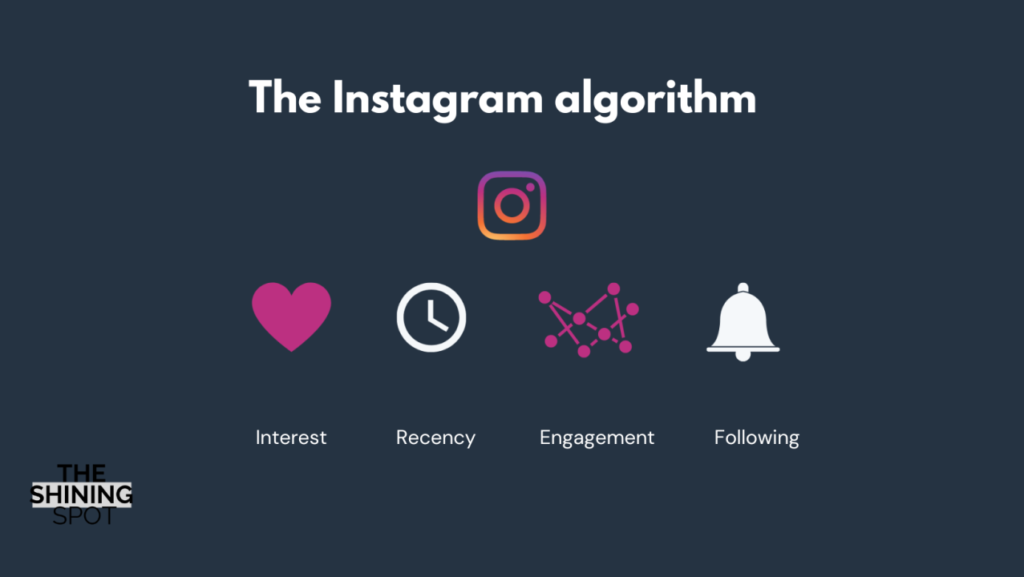
On social media, algorithms determine how content and ads are ranked, distributed, and prioritized across platforms. These systems evaluate signals such as relevance, predicted interest, engagement patterns, and recency to decide what users see. As platforms have evolved, organic reach has become more limited, making strategy and optimization essential for visibility at scale.
On Facebook, algorithmic ranking prioritizes content based on user relationships, interaction history, and predicted relevance rather than simple chronological order. Organic posts now compete heavily with paid placements, which is why understanding platform behaviour is critical when building an effective Facebook ad strategy to reach the right audiences efficiently.
Instagram’s algorithm focuses on engagement quality and relevance rather than raw metrics alone. Signals such as saves, shares, comments, and watch time carry more weight than likes, and content performance is evaluated differently across feeds, Stories, Reels, and Explore. While newer formats like Reels and Carousel posts often receive broader distribution, visibility depends on how users interact with the content, not the format alone.
Other platforms apply similar principles with platform-specific weighting. X (formerly Twitter) surfaces content based on relevance, recency, and engagement signals. TikTok relies heavily on behavioural data such as watch time, rewatches, and interaction patterns to personalize recommendations. LinkedIn prioritizes professional relevance and network proximity, while YouTube’s recommendation system emphasizes watch time, viewer retention, and satisfaction signals.
Understanding how these systems operate is essential for business owners. A strong global social media strategy is built around aligning content and paid campaigns with platform algorithms to improve reach, engagement, and long-term performance across markets.
Google Ads Algorithm in Global Markets
For global businesses running paid search, understanding the algorithm in digital marketing is essential to achieving visibility in search results. In Google Ads, ad placement is determined by Ad Rank, which is primarily calculated using the following components:
Ad Rank = Max. CPC Bid × Quality Score
(with additional factors such as ad assets, expected impact, and Ad Rank thresholds)
Ad Rank determines both where an ad appears and whether it is eligible to show at all, including access to ad assets like sitelinks, callouts, and extensions. A higher Ad Rank improves visibility and increases the likelihood of securing top placements.
Quality Score plays a critical role in this process. Ads with low relevance or poor landing page experience may not appear, even with higher bids, while ads with strong relevance and user experience can outrank competitors with larger budgets. Improving Ad Rank typically involves optimizing ad relevance, expected click-through rate, and landing page quality – not just increasing bids.
Because Google Ads relies heavily on automation, bidding strategies, and real-time signals, managing performance across markets can become complex. This is where PPC management services help businesses navigate algorithmic bidding, optimize Quality Scores, and improve overall campaign efficiency at scale.
Leveraging Data Analytics and Algorithms for Global Market Success

Data analytics powered by advanced algorithms is transforming business strategies by offering deeper insights into customer behaviour, market trends, and decision-making. Platforms like Amazon and Netflix use data to personalize recommendations, driving sales and customer satisfaction. Similarly, understanding social media trends provides valuable insights into consumer preferences, helping businesses stay relevant and engage effectively with target audiences.
For digital marketers targeting international markets, algorithms streamline vast amounts of data, enabling efficient segmentation and improved decision-making. By focusing on high-impact tasks, marketers can optimize campaigns and adjust strategies in real time. For example, algorithms help identify the most effective paths to reach business goals, making them indispensable for global marketing success. Embracing these technologies allows businesses to remain competitive and responsive to customer needs, driving growth and enhancing the customer experience worldwide.
Algorithms’ Role in Content Discovery and Distribution
Algorithms determine what content users see across search engines, social media, and recommendation platforms. In search, algorithms rank content based on relevance, quality, authority, and usability. On social platforms, visibility is driven by engagement signals, recency, and predicted user interest. Recommendation systems on platforms like YouTube and Netflix further amplify content by matching it with user behaviour and preferences.
For businesses and creators, visibility depends on aligning content with these signals. Optimizing for search helps content appear higher in results, while creating relevant, engaging posts increases the likelihood of appearing in social feeds. Content that performs well with initial audiences is also more likely to be recommended by platforms, extending reach beyond existing followers. Understanding how algorithms prioritize and distribute content is essential for reaching global audiences and driving sustained engagement in the digital marketplace.
Adapting to E-Commerce Algorithms for Global Sales

Adapting to algorithms is essential for global eCommerce businesses aiming to grow international sales. Modern eCommerce algorithms use AI and machine learning to analyze behavioural and transactional data, enabling smarter automation and more efficient decision-making across markets.
- Customer Grouping: Algorithms go beyond basic demographics by analyzing browsing behaviour, purchase history, spending patterns, and device usage. This allows for more precise customer segmentation and market-specific targeting.
- Product Recommendations: Recommendation engines suggest products based on user behaviour and patterns from similar customers, improving product discovery and increasing conversion rates.
- Enhanced Site Search: Basic keyword-based search is often insufficient for modern eCommerce. Improving on-site search is a key part of website design & development, as advanced algorithms better interpret user intent and surface more relevant products.
- Dynamic Pricing: Pricing algorithms adjust prices in real time based on demand, competition, seasonality, and inventory levels, helping businesses remain competitive and test price sensitivity.
- Inventory Demand Forecasting: Forecasting algorithms predict future demand using historical sales data and trends, reducing stock shortages and excess inventory.
- Personalization: Personalization algorithms tailor product displays, messaging, and offers based on individual behaviour, increasing engagement, conversions, and customer loyalty.
How Search Algorithms Work in Different Countries
The algorithm in digital marketing is the backbone of how businesses connect with their target audiences worldwide, but its operation varies significantly from country to country due to distinct regulatory environments, cultural differences, and language diversity. For instance, Baidu dominates the search engine market in China, prioritizing content that adheres to local censorship laws and cultural preferences. Business owners must optimize their digital marketing strategies to comply with Baidu’s unique algorithm to succeed in the Chinese market. In contrast, Yandex is the leading search engine in Russia, which has its own set of algorithms designed to cater to the Russian language and local search behaviours. Companies looking to penetrate the Russian market must understand and adapt to Yandex’s requirements.
Similarly, while universally recognized, Google tweaks its algorithm regionally to reflect local relevance and legal stipulations. For example, European Union regulations like GDPR influence how Google processes and displays search results, impacting digital marketing strategies within EU countries. Business owners aiming for global market penetration must customize their digital marketing efforts to align with these region-specific algorithms. By doing so, they can ensure optimal visibility and engagement across diverse markets, driving international growth and success.
Conclusion
Though algorithms may evolve, their core principle remains the same: deliver value through great user experiences. Algorithms continuously learn from user behaviour and data, improving over time. This evolution benefits digital advertisers by enabling informed decisions that cater to diverse international audiences. The more precise and effective the algorithms, the better digital advertisers can connect with and engage global audiences, ensuring relevance and impact across borders.
For businesses working with a digital marketing agency in Canada, leveraging these advanced algorithms enables more targeted strategies, addressing the unique needs of Canadian consumers while remaining competitive in the global market.
This approach is crucial for businesses worldwide. By embracing advanced algorithms, you can make smarter decisions, optimize campaigns for greater reach and sales, and stay ahead of the competition.
Additionally, implementing these algorithms can help businesses get rid of spam leads, ensuring higher-quality interactions and better conversion rates.