

AI has become a game-changer in the world of digital advertising, transforming the way brands approach ad creatives. Whether it’s generating compelling ad copy, selecting the perfect images, or brainstorming fresh ideas, AI for ad creatives helps marketing teams work faster, smarter, and more effectively. This article explores how generative AI for ad creatives can streamline ad creation, improve performance, and boost engagement.
Table of contents
Why Generative AI Matters for Ad Creatives
Creating high-quality ads involves overcoming several challenges. Tight deadlines, budget limitations, and the constant need for new and innovative ideas can make ad creation a daunting task. AI helps address these challenges by automating time-consuming tasks, allowing creative teams to focus on more strategic work.
Scalability
AI allows marketers to generate multiple variations of ads in seconds. This rapid scalability is ideal for testing and optimizing ads quickly. With AI, brands can experiment with different approaches and optimize their creatives based on performance data, enabling them to scale their ad efforts efficiently. For instance, a SaaS company runs two ad variations for its project management tool:
Ad A: Shows an AI-generated image of a busy professional using the software.
Ad B: Features a short AI-generated video demonstrating key features.
AI tracks which ad performs better in real-time and automatically adjusts the campaign to prioritize the winning version, maximizing ROI. For brands looking to enhance this optimization process, AI conversion rate optimization techniques can complement AI-generated ads to improve overall campaign outcomes.
Personalization
Personalized content resonates with audiences. AI customizes ads for various audience segments, ensuring that the messaging is highly relevant. By analyzing consumer behavior and preferences, AI can craft personalized messages that improve engagement and drive conversions. Consider a fitness brand that wants to target different audience segments with personalized messaging. Generative AI for ad creatives customizes ads like this:
For Yoga Enthusiasts: “Find Your Flow with Our Ultra-Stretchy Yoga Leggings!”
For Weightlifters: “Lift Stronger with High-Performance Workout Gear!”
If you’re new to leveraging AI for these tailored approaches, this AI-powered guide offers a great starting point to explore practical tools and strategies.
Predictive analytics
AI doesn’t just help create ads—it can also analyze performance data and predict which ads will perform best. By leveraging predictive analytics, brands can optimize their ads and make data-driven decisions, ensuring that their campaigns are more effective. AI in PPC campaigns is an example of how predictive analytics can drive better results in paid campaigns.
Automation
One of the biggest advantages of AI is automation. AI can automate many of the manual processes involved in ad creative development, such as image selection, copywriting, and layout design. This reduces the time spent on repetitive tasks, allowing human creatives to focus on more strategic and high-level work. For example, instead of using stock photos, an online fashion retailer leverages AI ad creatives to generate custom images that match their brand aesthetic and make the ads more visually appealing and unique
Key Applications of AI for Ad Creatives
AI is transforming several aspects of ad creation, from copy generation to image and video production. Let’s look at some key applications:
AI for ad creatives copy generation and personalization
AI tools like ChatGPT, Jasper, and AdCreative.ai can generate ad copy at scale. These tools not only craft headlines and call-to-actions (CTAs) but also personalize the messaging based on audience segments. This results in more relevant and engaging content that drives better performance. In fact, using SEO with ChatGPT can further enhance your AI-generated ad copy by aligning it with search intent and improving discoverability.
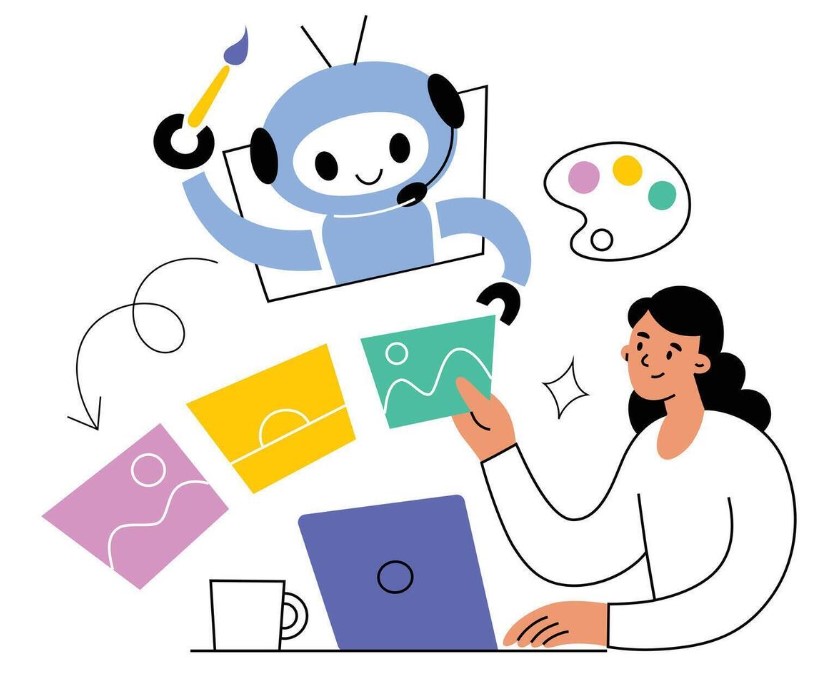
AI for image and video creation
AI-generated visuals, such as images and videos, are becoming essential in ad campaigns. Tools like MidJourney, Adobe Firefly, DALL·E, and Runway can create high-quality visuals that are tailored to your brand and audience. AI also allows for quicker A/B testing of visuals, helping marketers find the most engaging images for their ads.
AI-Driven workflow automation
AI is also automating various workflow processes in ad creation. For instance, resizing creatives for different platforms is now automated, making it easier to adapt ads for various formats and devices. AI-driven Dynamic Creative Optimization (DCO) also ensures that ads are continually optimized based on real-time data.
Overcoming Challenges When Using AI for Ad Creatives
While AI offers incredible benefits, there are challenges to consider:
Addressing AI hallucinations & inaccuracies
AI sometimes generates content that is inaccurate or misleading. It’s important to fact-check AI-generated copy and visuals before using them in campaigns to ensure that the information is correct and aligns with brand values.
Managing AI bias
AI bias can affect the quality of ad creatives. AI systems learn from historical data, which may contain biases. Marketers should monitor and mitigate AI bias by using diverse datasets and conducting regular audits.
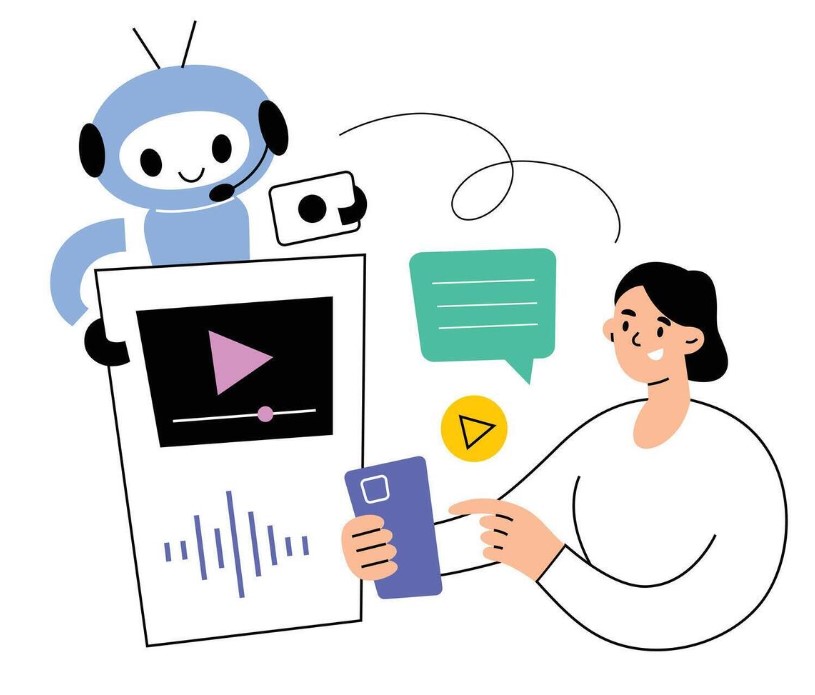
Avoiding over-reliance on AI for ad creatives
AI should be used to enhance creativity, not replace it. While AI can automate many aspects of ad creation, human input is essential to ensure that the final product is original and resonates with the target audience.
Using AI for creatives ethically
Ethical concerns arise when using AI for ad creatives, especially when it comes to deepfakes and misleading visuals. Brands should use AI responsibly and transparently, ensuring that their ads do not deceive or mislead consumers.
The Future of AI for Ad Creatives
As AI continues to evolve, its role in advertising will grow even more significant. The future of AI in ad creatives will likely involve greater collaboration between human creativity and AI automation. Marketers who embrace this partnership will be able to create more dynamic, personalized, and effective ad campaigns.
Conclusion
AI is revolutionizing the way ad creatives are developed. By automating repetitive tasks, offering predictive insights, and generating personalized content, AI helps brands create more engaging and effective ads. However, a balanced approach—combining AI tools with human creativity—will lead to the best results. As AI continues to advance, the possibilities for ad creation are endless, and those who harness its power will stay ahead of the curve.
Frequently Asked Questions
Most reputable AI providers have robust data security measures, but it’s important to carefully review their privacy policies, compliance certifications, and data handling practices before use.
Yes, AI is particularly beneficial for small businesses, as it enables efficient and cost-effective ad creation, audience targeting, and campaign optimization without large marketing budgets.
While AI-generated content is generally original, copyright and ownership policies vary between platforms. Ensure clarity on intellectual property rights with the AI service provider before using generated content commercially.