


As artificial intelligence continues to shape the future of digital marketing, it’s crucial for businesses to stay ahead of the curve. One of the most significant shifts is the growing importance of AI search engine optimization (AI SEO), which uses advanced algorithms to determine how content is ranked in AI-powered search results. But how exactly can you optimize your website and content to ensure it ranks well in AI search results?
In this article, we’ll break down how you can adapt your SEO strategy to incorporate AI technologies, focusing on AI search engine optimization strategies that will improve your content’s visibility and rankings in AI-driven search systems.
Master AI Search Engine Optimization Basics
Before diving into tactics, it’s essential to understand how AI-powered search engines operate. Without a clear grasp of AI search engine optimization fundamentals, your efforts may fall short. AI search algorithms use natural language processing (NLP) to interpret context, semantics, and user intent, making traditional keyword-based strategies less effective. To rank in AI search results, your content must align with what users genuinely want and how AI systems evaluate relevance.
Master AI Search Engine Optimization Basics
Before diving into tactics, it’s essential to understand how AI-powered search engines operate. Without a clear grasp of AI search engine optimization fundamentals, your efforts may fall short. AI search algorithms use natural language processing (NLP) to interpret context, semantics, and user intent, making traditional keyword-based strategies less effective. To rank in AI search results, your content must align with what users genuinely want and how AI systems evaluate relevance.
- Contextual Relevance: AI search engines assess how well your content matches user intent. Instead of just listing facts, explain the reasoning behind your advice. For example, if users are searching for “how to rank in AI search results,” offer insights into how AI systems prioritize sources and why certain content is cited by AI tools.
- Structured Data Markup: Adding schema markup (like FAQs or How-Tos) helps search engines categorize and contextualize your content. This improves your visibility in AI-driven features such as featured snippets or knowledge panels—an essential part of effective AI search engine optimization.
- Comprehensive Content: To perform well in AI rankings, your content needs depth. Address all relevant angles of a query with detailed, user-centric information. In-depth content not only builds trust but also improves your chances to rank in AI search results by meeting the sophisticated expectations of AI algorithms.
Why AI SEO is Crucial for Your Business
For executives and marketing heads, implementing AI search engine optimization is essential for several reasons:
- Better User Experience: AI systems prioritize user satisfaction by delivering the most relevant and high-quality content. Optimizing your content for these systems improves user engagement.
- Future-Proof Strategy: As AI continues to evolve, optimizing for AI search engines ensures your website remains competitive, even as the search landscape shifts.
- Increased Conversion Rates: Optimized content that ranks in AI search results is more likely to engage users and convert them into leads or customers.
- Streamlined Optimization: AI tools automate parts of the SEO process, saving time while improving content accuracy, relevance, and performance.
If you’re looking to optimize your website’s performance more efficiently, consider our conversion rate optimization services.
Key Strategies to Optimize Your Website for AI Search Results
With the rise of AI-driven search engines, traditional SEO tactics are no longer enough. AI search engine optimization focuses on delivering contextually relevant, high-quality content that aligns with how modern algorithms understand queries. To stay competitive, it’s essential to adapt your website and content for smarter search systems.
1. Understand User Intent with AI-Powered Tools
AI search engines are designed to interpret user intent more accurately than traditional systems. To rank in AI search results, you must align your content with what users are genuinely searching for.
- Utilize AI-driven Keyword Research Tools: These tools can help you uncover long-tail keywords, conversational phrases, and emerging search trends, which are essential for understanding user intent.
- Map Content to User Journeys: AI tools can help you identify the stages of a customer journey (e.g., awareness, consideration, decision) and tailor your content accordingly to meet the specific needs of users at each stage.
For more advanced strategies on keyword research, check out our search engine optimization service.
2. Optimize Content for Semantic Search
AI search algorithms focus on understanding the meaning behind search queries, not just individual keywords. This is known as semantic search, and it’s a key element of AI search engine optimization.
- Focus on Topic Clusters: Instead of optimizing for isolated keywords, create comprehensive content around broader topics. Use AI tools to identify related terms, questions, and concepts that users may be searching for.
- Use Natural Language Processing (NLP): NLP helps AI systems understand how words and phrases are connected in context. By writing naturally and focusing on relevant topics, your content will be more likely to rank for related queries.
3. Leverage AI for Content Optimization
AI-based content optimization tools can help improve the readability, relevance, and engagement of your content. These tools analyze text and provide recommendations to make it more appealing to both AI search engines and human readers.
- Improve Readability: AI tools can assess readability scores and suggest improvements to make your content easier for a broader audience to understand.
- Content Quality: Use AI to evaluate content quality by analyzing factors like keyword density, structure, and engagement. High-quality, well-structured content that answers user queries is crucial to rank in AI search results.
- Optimize for Featured Snippets: AI search engines often prioritize featured snippets. Use structured data and answer common questions directly in your content to increase the chances of being selected for these prominent positions.
If you’re also looking to strengthen your digital marketing strategy, consider our PPC Management Services.
4. Enhance Technical SEO with AI Tools
Technical SEO is just as important for ranking in AI search results as content optimization. AI-powered SEO tools can identify technical issues that may be holding your website back from ranking well.
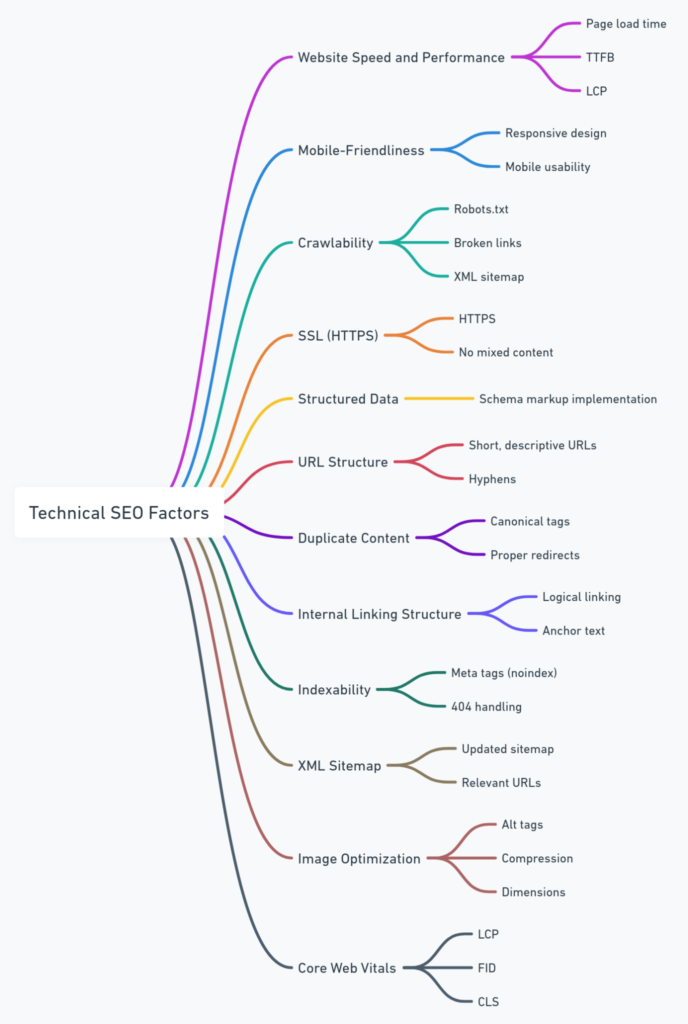
- Page Speed Optimization: AI tools can analyze and suggest improvements to your website’s loading time, a key factor in ranking higher in AI search results.
- Mobile Optimization: Since AI search engines prioritize mobile-first indexing, ensure that your website is fully optimized for mobile users.
- Site Structure and Crawling: AI tools can help you assess your website’s structure, identifying any issues that may prevent search engines from crawling and indexing your pages correctly
For a more holistic optimization approach, consider integrating our social media marketing strategies with AI to enhance your content visibility across various platforms.
5. Use AI to Personalize Content
Personalized content is increasingly important for AI SEO. AI search algorithms tend to favor content that provides tailored experiences for users, and businesses that leverage AI tools for personalization can significantly improve their rankings.
- Personalized Landing Pages: Use AI to create dynamic, personalized landing pages that cater to different user segments.
- Adapt Content Based on User Behavior: AI can help adjust your website content in real-time based on user behavior, ensuring that the most relevant information is presented to each visitor.
6. Optimize for Voice Search
With the growing use of voice assistants, optimizing for voice search has become a crucial part of SEO. AI search engines are particularly adept at handling conversational, voice-based queries.
- Target Long-Tail Keywords: Voice search queries tend to be longer and more conversational. Use AI tools to identify these long-tail keywords and integrate them naturally into your content.
- Focus on Question-Based Content: Voice search often involves questions. Structure your content to provide clear answers to common questions in your industry.
How to Measure AI SEO Success
To effectively measure the success of your AI search engine optimization efforts, focus on the following metrics:
- Search Engine Rankings: Track your rankings in AI search results for relevant keywords and phrases.
- Click-through rate (CTR): AI search engines prioritize content that generates more clicks. A higher CTR indicates that your content effectively meets user needs.
- User Engagement: Use tools to measure how long users stay on your site, how many pages they visit, and whether they interact with your content.
- Conversion Rates: Ultimately, the goal is to convert visitors into customers. AI SEO tools can help track how well your content is performing in terms of conversions.
Conclusion
Adopting AI search engine optimization is not just about staying current; it’s about future-proofing your website’s visibility in a world where AI is driving search results. By understanding user intent, optimizing content for semantic search, leveraging AI for content and technical optimization, and personalizing your website, you can ensure that your content is more likely to rank in AI search results.
Implementing AI-driven SEO strategies will not only improve your site’s rankings but also enhance the user experience, streamline your processes, and ultimately boost conversion rates.
Don’t forget to download our AI Guide for more detailed insights.