

A strong website serves as the foundation of a robust online reputation. In fact, research shows that 75% of customers evaluate a company’s credibility based on its website. This highlights why a website audit is important for maintaining a positive user experience and building trust with your audience.
Regular website audits are crucial for assessing your site’s performance and overall health. They help identify and address issues that may hinder user experience and impact your conversion rate. Without conducting a website audit, businesses risk losing potential customers due to slow-loading pages, outdated content, or broken links, ultimately harming their credibility and online presence.
Table of contents
What is a Website Audit?
A website audit is a comprehensive analysis of your website to ensure optimal performance, robust security, and a seamless user experience. It serves to:
- Assess the website against key factors influencing its visibility in Google’s search rankings.
- Deliver detailed insights into your website’s overall performance.
- Identify issues that may be hindering functionality or user satisfaction.
- Highlight areas that require improvement to enhance effectiveness.
- Boost website traffic and increase user engagement by addressing critical gaps.
The Importance Of Audits
The primary purpose of a website audit is to provide webmasters with a comprehensive analysis of their site’s health, performance, and speed. By evaluating these areas, you gain a clear understanding of your website’s current effectiveness, identify opportunities for optimization and improvement, and uncover issues that may be negatively impacting its functionality or user experience. If you’re looking to take the first step, get a free website audit to uncover key insights about your site’s performance.

For businesses, website audits are crucial to staying competitive in today’s digital-first landscape. A well-optimized site enhances user engagement, builds trust, and increases conversions. Moreover, understanding why website audit is important allows you to identify and resolve technical or content-related gaps that could impact search rankings or customer perception. Regular audits empower businesses to strengthen their online presence and drive long-term growth.
Let’s see some reasons your business needs a website audit:
Your Users Struggle to Navigate Your Website
Understanding why website audit is important sheds light on critical factors like navigation, which can make or break user experience. While you may find navigating your website intuitive, users might face challenges that lead to frustration and poor engagement. Common navigation issues include:
- Overcrowded navigation bars – Simplify menus by organizing services into dropdowns and minimizing the number of tabs.
- Excessive linking – Users and search engines should not need more than three clicks to reach any page.
- Missing homepage links – Ensure every page includes a clear way to return to the homepage (e.g., a clickable logo).
- Information overload – Avoid cluttering the homepage with excessive content that buries essential details.
- Lack of a search function – Critical for e-commerce websites to enhance user experience.
- Hard-to-find contact information – Make social icons, clickable phone numbers, and email addresses easy to locate.
- Intrusive pop-ups – Avoid full-screen pop-ups prompting users to sign up before they’ve explored the site.
User testing as part of a website audit can reveal navigation issues. It involves real users completing specific tasks, like finding a blog post or making a purchase, while providing feedback on their experience.
Your Website isn’t Optimized Properly
A website audit helps uncover a range of search engine optimization (SEO) and optimization issues that could be holding your site back. Key areas include:

- Content gaps – Thin or outdated content that needs updating, redirecting, or removal.
- Image optimization – Ensure all images are tagged correctly for search engines.
- HTTPS security – Identify and resolve mixed content issues.
- Meta data – Confirm all pages have unique, relevant meta titles and descriptions.
- Header structure – Proper use of H1, H2, and H3 tags.
- Mobile responsiveness – With mobile traffic exceeding desktop, your site must perform well on smaller screens.
- URL structure – Clean, descriptive URLs for every page.
- Indexability – Ensure essential pages are indexable while blocking irrelevant ones, such as “thank you” pages.
- Duplicate content – Detect and resolve duplicate or similar content issues.
- Broken links – Fix both external and internal 404 errors to maintain a smooth user journey.
Risk of Search Engine Penalties
Understanding why website audit is important becomes clear when considering the risks of outdated SEO practices. Websites that once relied on “black hat” techniques—such as link farming or keyword stuffing—are increasingly vulnerable to penalties as search engine algorithms grow more sophisticated.
A website audit identifies these risky practices, allowing you to correct them before penalties occur or resolve existing penalties that could be damaging your rankings. Incorporating conversion rate optimization into your digital marketing strategy ensures that your website not only avoids penalties but also performs optimally for both search engines and users.
Slow Loading Speeds
Website speed is critical for both user experience and SEO. If your website takes longer than 5 seconds to load, you may experience higher bounce rates, fewer pages viewed per session, and increased cart abandonment on e-commerce sites.
Google research shows that increasing page load time from 1 to 3 seconds increases the bounce rate by 32%, and a load time of 6 seconds causes a 106% bounce rate increase. Speed is also a direct ranking factor in Google’s algorithms.
A website audit identifies common causes of slow loading speeds, such as:
- Unoptimized or oversized images.
- Excessive redirects create additional HTTP requests.
- Unminified JavaScript and CSS files.
- Too many plugins slowing down the site.
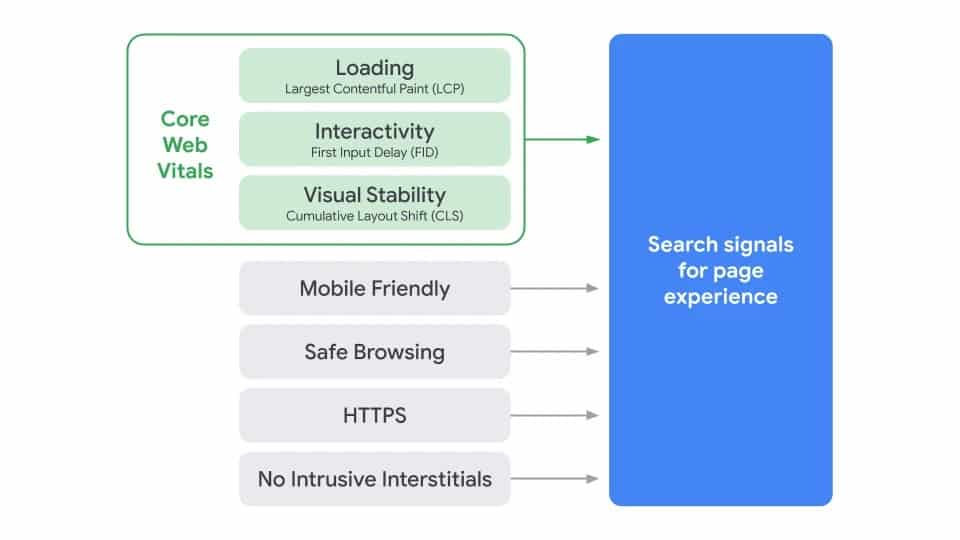
With Google’s Core Web Vitals emphasizing speed, responsiveness, and visual stability, a website audit ensures your site meets these standards, highlighting why a website audit is important for maintaining a competitive edge online.
Understanding Your Competitors
A website audit often includes competitor analysis to evaluate their strategies and performance. This involves reviewing them:
- Content and keyword targeting.
- Social media activities.
- Backlink profiles.
- Organic and paid search efforts.
By understanding your competitors’ strengths and weaknesses, you can refine your digital marketing strategy for your business, stay ahead in your industry, and better position your business for success.
Conducting a website audit ensures your website is user-friendly, optimized, and competitive—essential for driving traffic, engaging visitors, and achieving your business goals.
Benefits of a Website Audit
Understanding the importance of website audits can unlock new opportunities for improving performance and boosting profitability. Here are six compelling reasons why website audits are important for your success:
Enhanced SEO Performance
Website audits provide in-depth insights into your site’s SEO health. By identifying issues such as poor keyword usage, low-quality backlinks, and outdated meta tags, you can optimize your website to rank higher in search engine results pages (SERPs).

This process, known as an SEO audit, makes your website more appealing to search engines and drives increased visibility and traffic.
Improved Website Performance
One major reason why website audits are important is their focus on technical performance. Regular performance audits analyze critical factors like page load speed and mobile usability. By addressing performance gaps, you can reduce bounce rates, enhance user engagement, and create a seamless browsing experience.
Better User Experience and Usability
A website audit is a powerful tool for evaluating and improving user experience. By uncovering navigation issues and interface errors, usability audits ensure that your visitors enjoy a smooth, intuitive experience. These improvements can lead to higher satisfaction, increased conversions, and a loyal audience.
Detection of Technical Issues
Technical audits dig deep to identify hidden flaws such as broken links, 404 errors, and potential security vulnerabilities. Fixing these problems enhances your website’s functionality, ensures safety, and helps maintain user trust—key reasons why website audits are important for long-term success.
Refined Content Strategy
Website audits evaluate your content strategy to ensure it aligns with SEO best practices. They identify content gaps, analyze relevance and quality, and provide recommendations for improvement. This helps you deliver value to your audience while maintaining alignment with search engine guidelines.
Increased ROI and Cost Efficiency
One of the strongest arguments for why website audits are important is their ability to boost ROI. By catching and fixing issues early, you can avoid costly redesigns and improve the overall efficiency of your website. Enhanced user experience and optimized SEO performance directly contribute to higher traffic, conversions, and long-term profitability.
Types of Website Audit
Every website is unique and comes with its own set of challenges that must be addressed for optimal performance. This is why a website audit is important—it identifies and resolves issues specific to your site. To address different aspects of a website, various types of audits are conducted, each focusing on a specific area.
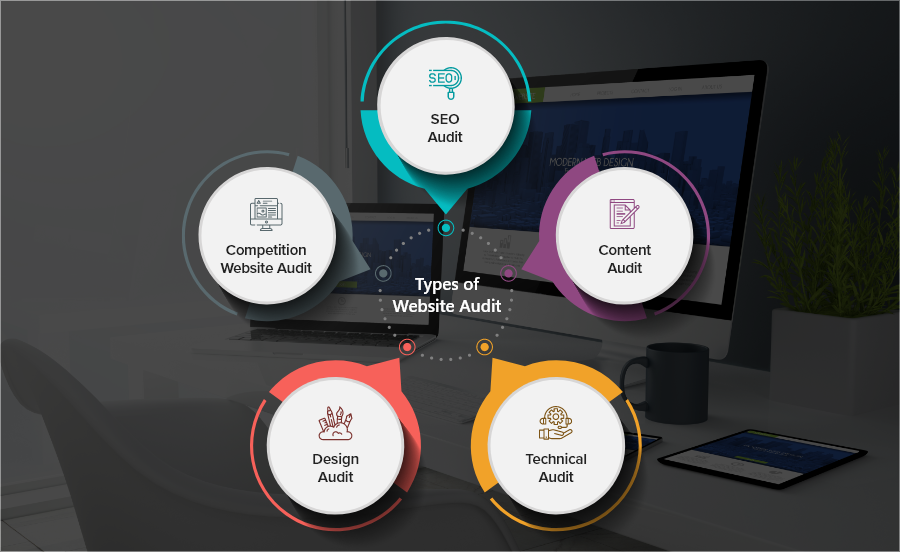
Here are some common types of website audits:
- SEO Audit: An SEO audit evaluates how well your website performs in search rankings. It analyzes key factors like keywords, link profiles, traffic behaviour, goal conversions, and metadata, ensuring your site aligns with SEO best practices.
- Content Audit: While content is often reviewed in SEO audits, a standalone content audit focuses on ensuring your tone of voice aligns with your brand and identifies content that drives conversions effectively.
- Technical Audit: Great content and SEO strategies won’t yield results if technical issues exist. A technical audit identifies problems like broken links, redirect chains, inconsistent XML sitemaps, and more, ensuring the technical health of your site.
- Design Audit: The design of your website plays a crucial role in user experience. A design audit ensures that the layout, structure, colours, and overall aesthetic are visually appealing and contribute to a stellar user experience.
- Competition Website Audit: Staying ahead in your industry requires understanding your competitors. By auditing their websites, you can gain insights and develop strategies to improve your business performance.
These digital marketing audits demonstrate why website audit is important—they provide tailored solutions to optimize your site across all critical areas.
10 Important Tips for Website Audit
A website audit is an essential step in maintaining a healthy, high-performing online presence. Identifying issues and optimizing key areas, it ensures your site delivers an exceptional user experience and ranks well on search engines. To help you get started, here are 10 important tips for conducting an effective website audit.
Crawl Your Website
Utilize tools like Screaming Frog or SEMrush to conduct a thorough crawl of your website. These tools generate a detailed report of all pages, their status codes, and crucial data, helping you identify issues that impact site health.
Analyze Website Structure
Examine the structure of your website, including URL hierarchy, internal linking, and navigation. A logical and user-friendly structure enhances user experience and boosts search engine visibility.
Review Keyword Strategy
Evaluate your keyword approach to ensure you’re targeting the right terms for your content. Strategically distribute relevant keywords across your site to align with user search intent and improve rankings.
Assess Content Quality
High-quality, unique content is key to engaging users and maintaining credibility. Identify duplicate, thin, or outdated content and update it to deliver value and relevance to your audience.
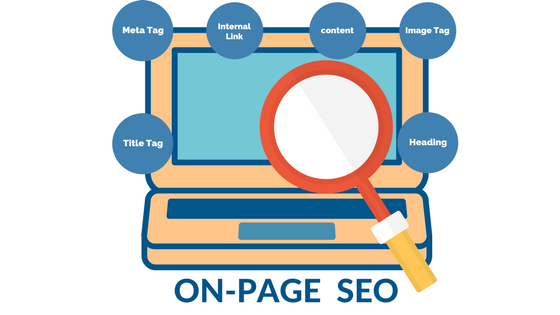
Optimize On-Page SEO
Check each page for critical on-page SEO elements like title tags, meta descriptions, header tags, and keyword placement. Optimizing these elements ensures clarity and alignment with SEO best practices.
Ensure Mobile-Friendliness
Mobile responsiveness is crucial as Google prioritizes mobile-friendly websites. Test your site’s compatibility on various devices to provide a seamless experience for mobile users.
Test Page Load Speed
Fast-loading pages are essential for both user satisfaction and search rankings. Use tools like Google PageSpeed Insights or GTmetrix to identify speed issues and optimize images, code, and caching.
Address Technical SEO Issues
Pinpoint technical problems like broken links, 404 errors, or improper redirects. Verify that XML sitemaps, robots.txt files, and schema markup are correctly implemented for optimal site performance.
Audit Backlink Profile
A strong backlink profile boosts authority, but spammy or toxic links can harm rankings. Use Google’s Disavow Tool to address harmful links and focus on acquiring high-quality backlinks.
Implement Analytics and Tracking
Set up tools like Google Analytics and Search Console to monitor website performance, track user behaviour, and make informed, data-driven decisions to improve your site.
Competitor Analysis
Examine your competitors’ websites to uncover the keywords they target, their backlink strategies, and their content approaches. This insight can help you identify opportunities to strengthen your strategy and gain a competitive advantage.
Conclusion
Understanding why website audit is important underscores the necessity of maintaining a high-performing, user-friendly, and competitive online presence. Regular audits address various aspects of your website, from SEO and content to design and technical health, ensuring it meets industry standards and user expectations. By identifying and resolving issues like slow loading speeds, broken links, or outdated content, a website audit not only enhances user experience but also boosts your search engine rankings and credibility. Conducting comprehensive website audits equips your business with actionable insights to optimize performance, improve user engagement, and ultimately achieve long-term growth.